
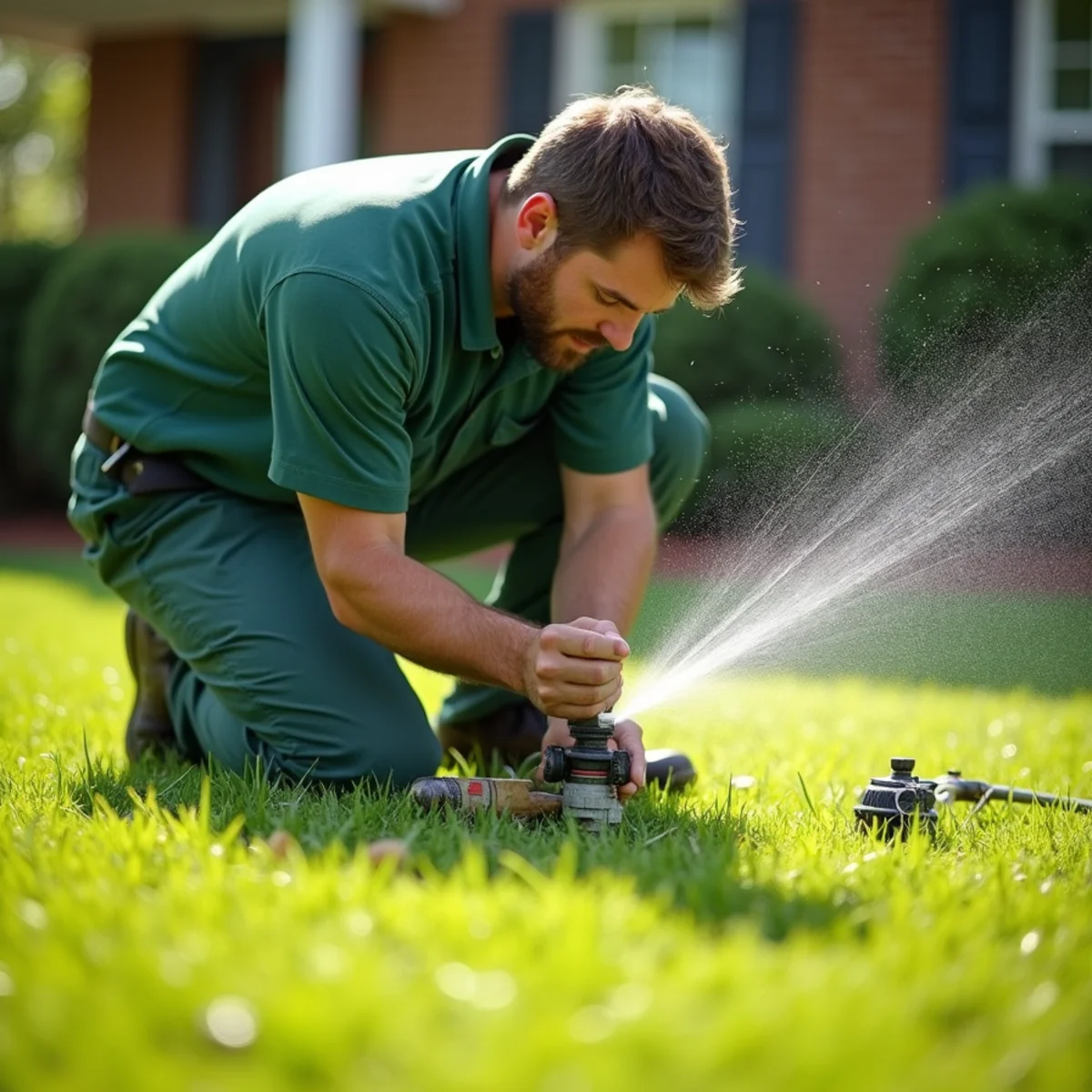
Irrigation System Repair in Angier, NC
Irrigation repair in Angier NC is about getting a system back to actually doing its job, because a sprinkler system is only saving you time and protecting your lawn when it works right. Broken heads, hidden leaks, a confused timer, or poor coverage quietly waste water, spike your bill, and leave brown patches in one spot while another stays soggy. Will Do Lawn Care has repaired and serviced irrigation systems for lawns across Angier and the surrounding area since 2011, getting even, efficient watering back where it belongs.
Irrigation repair in Angier NC is about getting a system back to actually doing its job, because a sprinkler system is only saving you time and protecting your lawn when it works right. Broken heads, hidden leaks, a confused timer, or poor coverage quietly waste water, spike your bill, and leave brown patches in one spot while another stays soggy. Will Do Lawn Care has repaired and serviced irrigation systems for lawns across Angier and the surrounding area since 2011, getting even, efficient watering back where it belongs.
We fix what is broken and tune what is merely inefficient, because those are two different problems. Sometimes the issue is a single cracked head spraying the driveway. Sometimes it is a whole zone with poor coverage that never should have been designed that way, or a controller that nobody has reprogrammed since the season changed. We diagnose the real cause instead of just swapping the obvious part and hoping, which is how you end up paying twice for the same dry spot.
Efficiency is where a well-tuned system really pays off, especially on a water bill. An irrigation system running too long, too often, or watering the sidewalk is burning money every single cycle, and a lot of homeowners never notice until the bill jumps. Getting the coverage even, the run times sensible for the season, and the leaks sealed does not just save the lawn, it stops the quiet waste. That is the difference between a system that helps you and one that just runs.
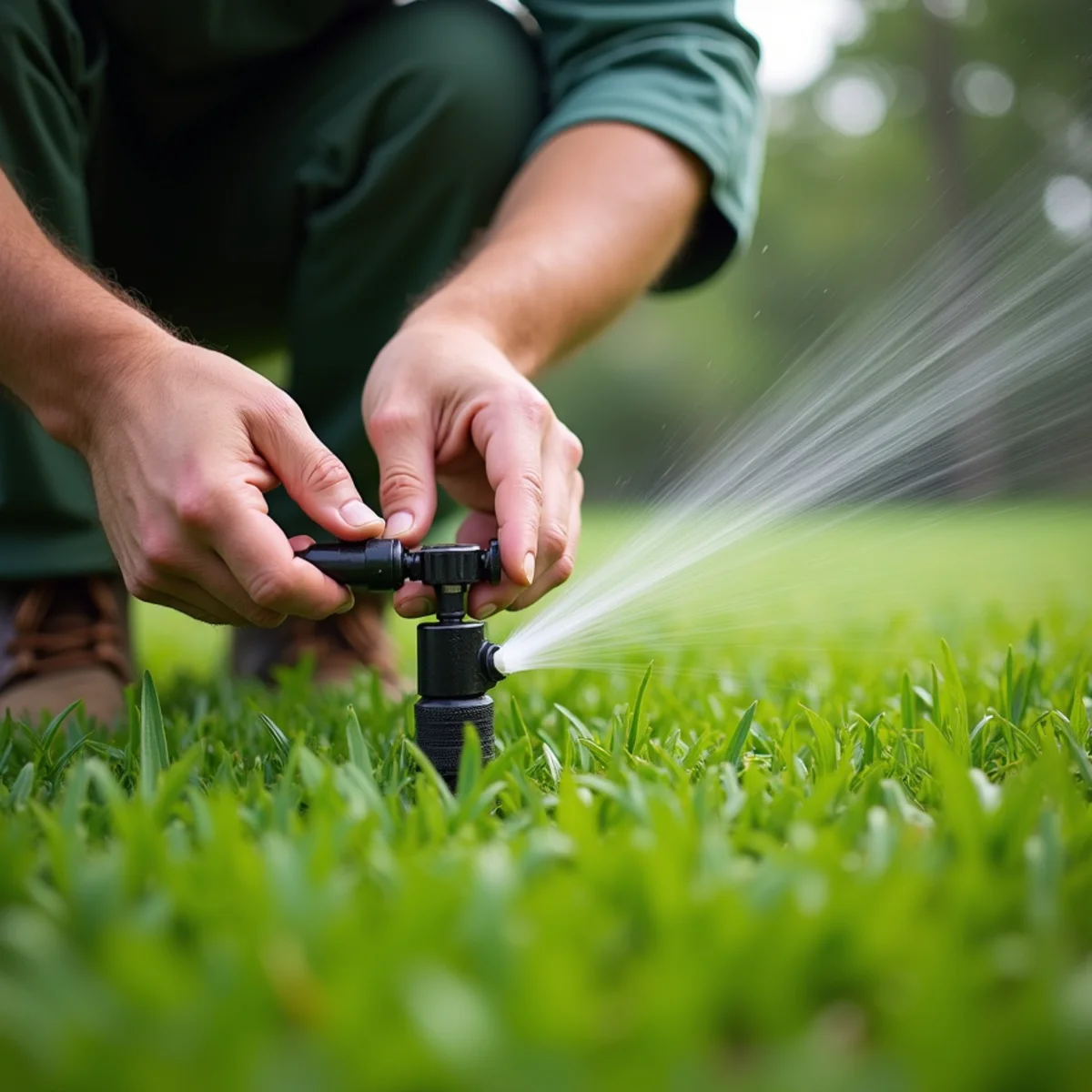
Irrigation problems we fix
If your system is doing any of these, it is wasting water and shorting your lawn:
Broken or blocked heads
Cracked, clogged, or misaligned heads that spray the driveway, mist into a fog instead of throwing water, or fail to pop up at all, leaving their zone dry while wasting pressure.
Leaks and wet spots
Underground leaks and failing valves that soak one area and quietly run up the water bill, often showing up as a permanently mushy spot that never dries out.
Dry patches and poor coverage
Zones that miss spots entirely, leaving brown areas while other parts of the lawn get overwatered, usually from a coverage gap, a bad head, or a pressure problem in that zone.
Timer and controller issues
Systems watering at the wrong time of day, for the wrong duration, or not turning on at all, from a controller that needs reprogramming or a valve that has failed.
Water bill jumped for no clear reason
A sudden spike in the bill with no obvious cause is very often the irrigation, whether a hidden leak, a stuck valve, or a schedule running far longer than it should.
System never set for the season
A controller still running summer schedules in fall, or watering daily when the lawn needs deep, infrequent cycles, wastes water and can actually invite disease.
How irrigation repair works
We test the whole system first, then fix the real cause and tune it for the season:
- 1
System check
We run each zone in turn, inspect the heads and their coverage, and pinpoint leaks, breaks, and dead spots, so we understand the whole system before touching anything.
- 2
Diagnose the cause
We identify whether the problem is a head, a line, a valve, or the controller, and determine what the efficient fix actually is rather than guessing at the obvious part.
- 3
Repair and replace
Broken heads, cracked lines, and failed valves are repaired or replaced with quality parts that hold up, not the cheapest component that will fail again next season.
- 4
Adjust the coverage
Heads are aimed and tuned so every zone waters evenly and thoroughly, without wasting water on the pavement, the house, or the road.
- 5
Program the controller
We set sensible run times and schedules for the current season and your grass type, favoring deep, infrequent watering that builds strong roots.
- 6
Confirm and advise
We verify the whole system runs right and let you know about any wear worth watching, so you are not caught off guard by the next failure.
Winterization and seasonal care
North Carolina winters are mild compared with the north, but they still freeze, and that is enough to do real damage. Water left sitting in irrigation lines and backflow devices can crack expensive components when a hard freeze hits, turning a small seasonal chore into a costly spring repair. Having your system winterized before the first freeze, and then checked again in spring before you rely on it, prevents the most common and most expensive irrigation failures we see every year.
Seasonal care is not just about avoiding freeze damage, either. A system programmed for July heat is watering all wrong by October, and one still on its fall schedule in spring is not giving the lawn what it needs as it wakes up. Adjusting the controller with the seasons, and giving the whole system a look before the heavy watering months, keeps it efficient and keeps you from discovering a dead zone in the middle of a summer drought.
Watering that works with your lawn
Because we also maintain the lawns these systems water, we tune irrigation with the turf in mind, not just the plumbing. The goal is deep, infrequent watering that drives roots down and builds a resilient lawn, rather than shallow daily cycles that keep the surface wet, encourage shallow roots, and invite the brown patch and fungus our humid summers are already prone to. How you water is nearly as important as whether you water at all.
That connection between good watering and good mowing is why having one crew handle both pays off. We know your grass type, we know the schedule it actually wants, and we can set the controller to match, instead of leaving you to guess at run times or trusting a factory default that was never meant for a central NC fescue or bermuda lawn. A properly tuned system and sound mowing work together to give you the lawn you are paying for.
What affects irrigation repair cost
Repairs are quoted after a system check, since the problem drives everything. The factors are:
- Nature of the problem — A single head swap is a minor fix, while a broken main line, multiple failed valves, or a bad controller is a bigger job that costs more.
- Parts required — The number and type of heads, valves, or controller components the repair needs directly affects the materials cost.
- Number of zones — Larger, multi-zone systems take longer to test, tune, and repair than a small system with just a couple of zones.
- Access and depth — How deep the lines and valves are buried, and how easy they are to reach, affects the labor to dig, repair, and backfill.
- Extent of tuning needed — A system that just needs a head or two adjusted is quicker than one that requires reprogramming and re-aiming across every zone.
- Seasonal service — Winterization and spring startup checks are scoped based on the size and complexity of the system.
Why Choose Will Do Lawn Care for Irrigation Repair
A system tuned by the same people who maintain your lawn simply works better. Here is why:
We diagnose, not just swap parts
Since 2011 we have traced irrigation problems to the real cause, head, line, valve, or controller, so you are not paying twice for the same dry spot.
We tune watering for your turf
Because we also maintain lawns, we set schedules for deep, infrequent watering matched to your grass, not a factory default that invites fungus.
Seasonal freeze protection
We winterize before the first freeze and check systems in spring, preventing the cracked components that are the most common costly failures.
Quality parts that hold up
We repair and replace with parts built to last, not the cheapest component that fails again the next season.
Licensed, insured, 5.0-star rated
We are a licensed, insured, family-owned local company with a 5.0-star Google rating, serving Angier and the surrounding area.
Irrigation Repair Across Central NC
We provide irrigation system repair throughout the Angier area and the wider Triangle. Popular towns we serve:
Irrigation Repair — Your Questions Answered
Yes. Dry patches usually mean a blocked or misaimed head, a coverage gap between heads, or a pressure issue in that zone. We test the zone, identify which of those it is, and correct the heads or add coverage so watering is even again. A persistent dry spot is almost always a fixable coverage problem rather than something you have to live with.
We do. Getting the water out of the lines and backflow before the first NC freeze prevents cracked components, which are the most common and most expensive irrigation failures we see. We also recommend a spring check before you rely on the system again for the season, so any winter damage is caught before you actually need the sprinklers running.
Very possibly. Hidden underground leaks, a stuck valve that never fully closes, or a controller running too long or too often are common culprits behind a sudden bill spike. A system check will find where the water, and the money, is actually going. Irrigation is one of the first things worth ruling out when a bill jumps with no obvious explanation.
Yes. We set watering schedules and run times appropriate for the current season and your grass type, favoring deep, infrequent watering that builds healthy roots and avoids the shallow daily cycles that invite fungus. A controller still running its summer program in fall is wasting water, so seasonal reprogramming is a simple fix that pays for itself.
Deeply and less often, as a rule. Long, infrequent cycles drive roots down and build a lawn that handles heat and drought far better, while short daily watering keeps the surface wet, encourages shallow roots, and feeds the brown patch and fungus our humid summers already invite. We program the controller for that deeper approach and match it to your specific grass.
Common signs are a permanently soggy or unusually green spot, a jump in the water bill with no change in use, low pressure in one zone, or water pooling where a head is not running. Some leaks are underground and not obvious from the surface, which is why a system check that runs each zone and watches the pressure is the reliable way to find and confirm one.
You Might Also Need
Ready for Expert Irrigation Repair in NC?
Get a free, no-obligation quote today. Same-week response on most estimates — call now or request a quote online.