
Lawn Fertilization & Weed Control in Angier, NC
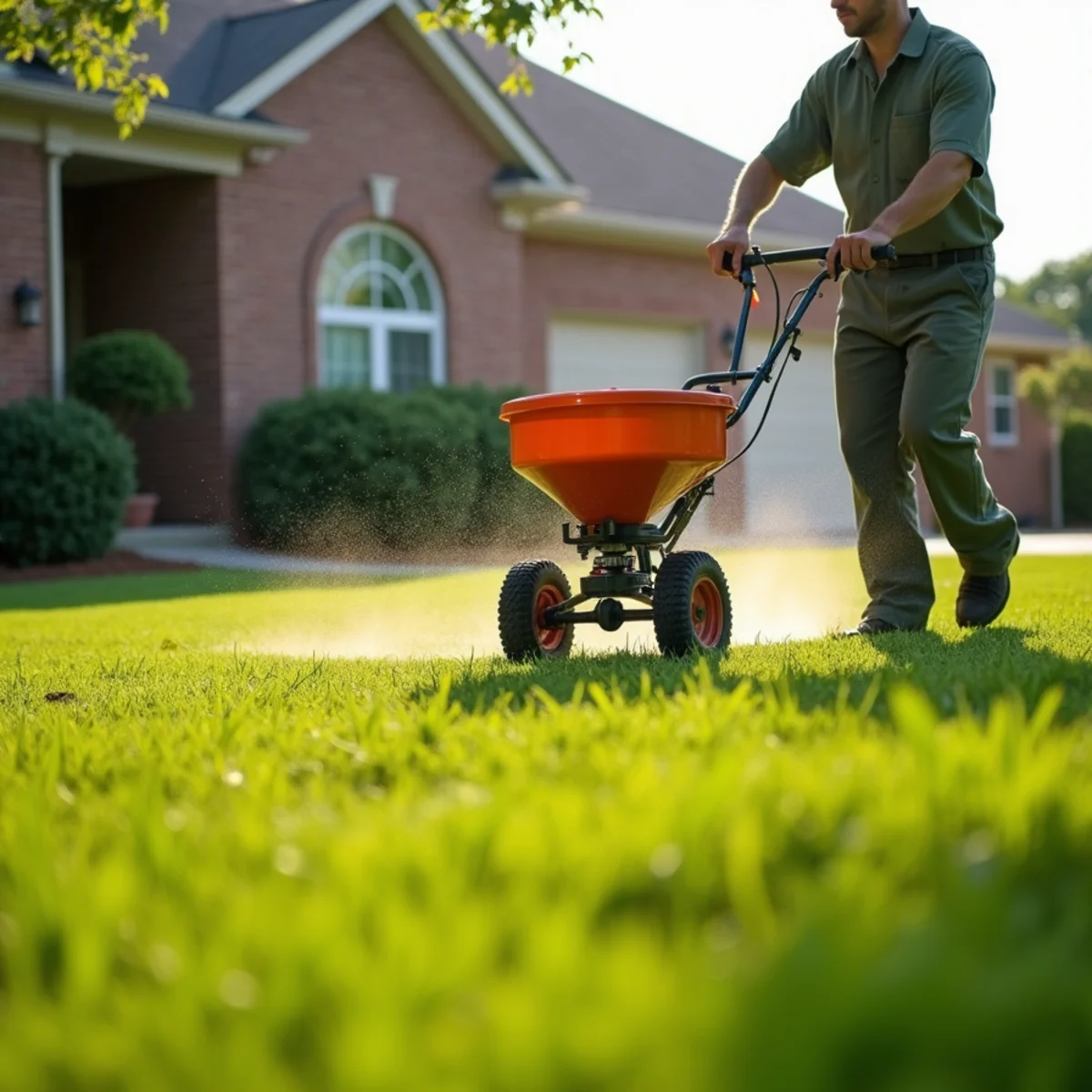
Lawn fertilization and weed control in NC works best as one connected program, not two separate chores. The surest weed control there is happens to be a thick, well-fed lawn, because dense turf crowds weeds out before they ever get a foothold. Will Do Lawn Care has fed and treated lawns across Angier and central North Carolina since 2011, and almost every weedy yard we inspect turns out to be a thin, hungry yard first.
Lawn fertilization and weed control in NC works best as one connected program, not two separate chores. The surest weed control there is happens to be a thick, well-fed lawn, because dense turf crowds weeds out before they ever get a foothold. Will Do Lawn Care has fed and treated lawns across Angier and central North Carolina since 2011, and almost every weedy yard we inspect turns out to be a thin, hungry yard first.
Our program is built for the ground we actually work on. Compacted red clay locks up nutrients, heavy summer humidity feeds fungus and weeds, and most of our neighbors are juggling more than one grass type across a single property. A calendar copied off a national bag label ignores all of that. We read your lawn, then feed and treat it on the schedule your grass and soil really respond to.
We start with the grass you have, not the grass a template assumes. Fescue gets fed hard in fall and protected through the worst of the summer heat. Bermuda and zoysia get pushed in the warm months when they are actively growing and can use the nitrogen. Feeding warm-season grass in November, or dumping a heavy summer feeding on stressed fescue in July, is a common do-it-yourself mistake that wastes money and can burn the lawn you were trying to help.
Common NC lawn problems we correct
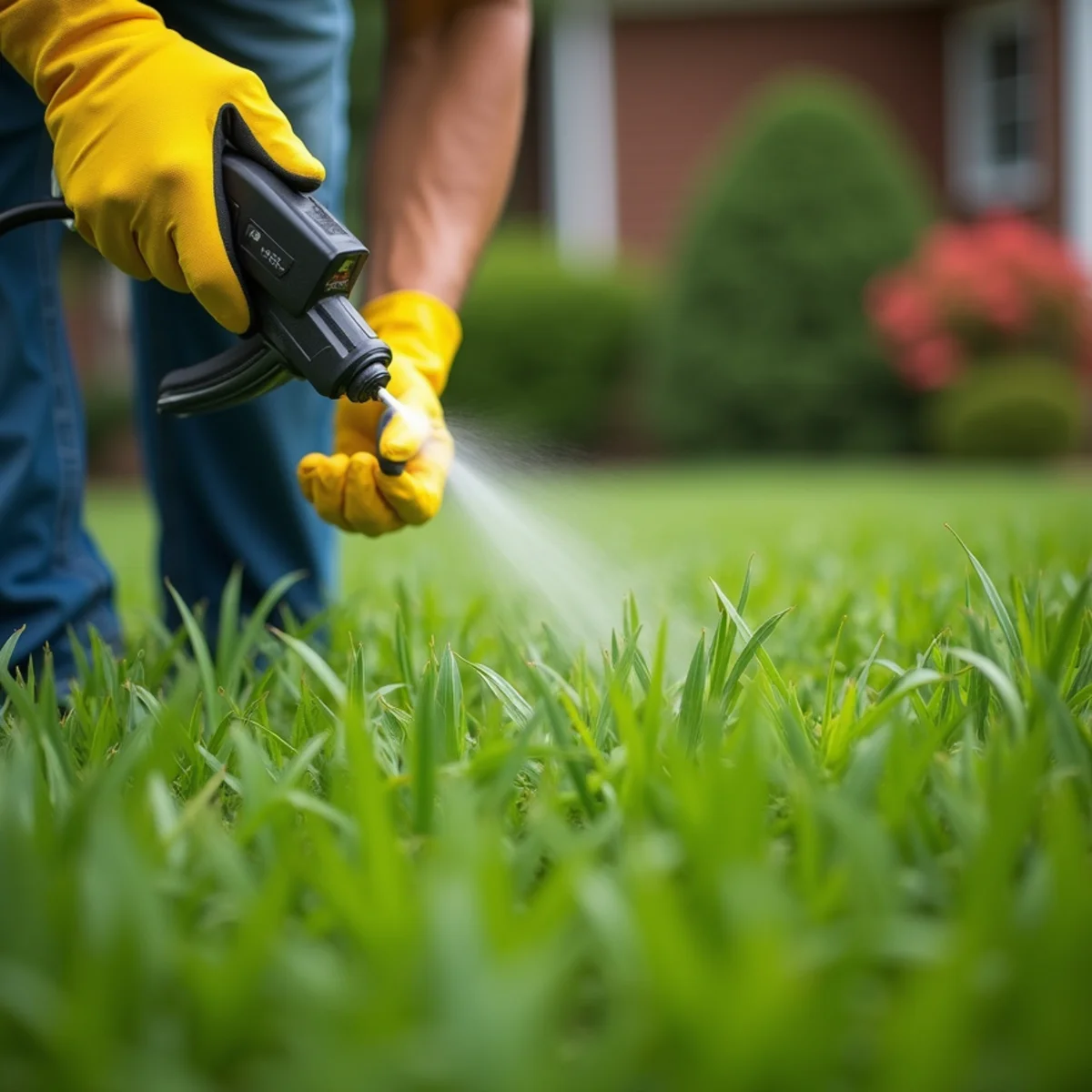
If your lawn shows any of these, feeding and weed control on the right schedule usually turns it around:
Crabgrass and summer annuals
Crabgrass, goosegrass, and other summer annuals take over thin turf every July. A properly timed pre-emergent in late winter stops the seeds before they germinate. Miss that window and you are pulling and spraying it all summer with far less to show for it.
Broadleaf weeds taking over
Clover, dandelion, henbit, chickweed, and wild onion spread fast in an under-fed lawn. Targeted post-emergent applications, matched to the weed and the season, knock them out without torching the grass around them.
Pale, thin, hungry turf
Yellowing color and slow growth almost always point to a nutrient or pH problem rather than a watering problem. Our clay soils run acidic, so they frequently need lime as much as nitrogen before the grass can green up and thicken.
Weeds that keep coming back
One spray is not a program. Weeds return because the turf is thin and the soil is bare between plants. We fix density and fertility so the lawn defends itself, instead of chasing the same weeds every few weeks.
Moss, wild violet, and shade struggles
Moss and stubborn broadleaf weeds in shady, damp corners signal low fertility, low pH, and thin grass. These spots need a different plan than the full-sun parts of the yard, and we treat them accordingly.
Nutsedge spiking above the lawn
That bright green grassy weed that shoots up faster than everything else after you mow is nutsedge, and standard weed killers barely touch it. It needs a specific product and repeat timing to actually knock down.
Our fertilization & weed-control program
A real program runs across the whole season. Here is how we build and manage yours:
- 1
Lawn analysis
We identify your grass type, map the weed pressure, and flag obvious soil issues on a walk-through, then recommend a soil test when the pH is clearly working against you.
- 2
Pre-emergent timing
Late-winter and early-fall pre-emergent applications build a barrier that stops crabgrass, poa annua, and other germinating weeds before they ever break the surface.
- 3
Seasonal feeding
Balanced, slow-release nutrition goes down on the schedule your grass type actually uses it, in measured rounds through the growing season instead of one heavy dump.
- 4
Spot and blanket weed control
Broadleaf and grassy weeds get treated with the right product for the season and the turf, blanket-sprayed where pressure is heavy and spot-treated where it is light.
- 5
Soil correction as needed
Where a test shows it, we work in lime or other amendments so the fertilizer you are paying for can actually be taken up by the roots.
- 6
Monitor and adjust
We track results visit to visit and adjust rates for shade, drought, heat stress, or disease pressure, because a lawn in August needs different handling than the same lawn in October.
Why NC clay soils need a different approach
Piedmont red clay holds nutrients well but drains slowly and compacts hard, which limits root depth and locks up nutrients whenever the pH drifts acidic. Most untreated lawns in our area do run acidic, sometimes badly, and that is why so much fertilizer seems to disappear with no result. We frequently pair feeding with lime and recommend fall aeration to open the soil so water and nutrients can actually reach the root zone instead of sitting on a sealed surface.
Toward the Sandhills and the coastal plain the problem flips. Sandy soils drain fast and leach nutrients straight through, so lighter and more frequent feeding beats one heavy application that washes past the roots after the first storm. We adjust rates and timing to your specific soil rather than a single label recommendation, which is the difference between feeding the grass and feeding the groundwater.
Fescue, bermuda, and the transition-zone calendar
Central North Carolina sits in the transition zone, where both cool-season and warm-season grasses are grown, often on the same street. Cool-season tall fescue does most of its growing in spring and fall, so it gets the heaviest feeding in autumn to build roots for winter and a strong spring green-up, with a lighter touch through summer when heat and brown patch are the real threats. Push nitrogen on fescue in July and you tend to feed disease instead of grass.
Warm-season bermuda, zoysia, and centipede work on the opposite clock, sleeping through winter and doing all their real growing from late spring into summer. They want their nitrogen when they are actively spreading, and centipede in particular is a low-appetite grass that gets damaged by over-feeding. Knowing which grass you have, and where each one sits in its cycle right now, is the whole basis of the schedule we build for you.
What affects the cost of a lawn program
Program pricing depends on your lawn, not a flat number. The main drivers are:
- Lawn square footage — Product and labor scale directly with the treated area, so a firm measurement is the starting point for any honest quote.
- Number of applications — A full annual program of several timed rounds costs more up front than a one-off spray, but delivers far better results and works out cheaper than redoing a failed lawn.
- Weed and disease pressure — Heavily infested or renovation-grade lawns need extra early rounds to get ahead of the problem before the regular schedule can hold it.
- Soil corrections — Lime and other amendments are quoted separately, and only when a soil test actually shows they are needed. We do not add them by default.
- Grass type — Fescue, bermuda, zoysia, and centipede follow different schedules and product needs, which shapes the program and its cost.
- Current condition — A maintained lawn that just needs upkeep costs less to run than a neglected one that needs a season of catch-up work first.
Why Choose Will Do Lawn Care for Fertilization & Weed Control
A feeding program is only as good as the crew running it week after week. Here is why local homeowners trust ours:
Serving central NC since 2011
We have run feeding and weed programs on these exact clay and sandy soils for over a decade, so we already know how local lawns respond through a full year of our weather.
Locally owned and family operated
You reach the people who actually run the business, not a national call center routing a truck through your zip code once a month.
Licensed and insured
We are a licensed, insured North Carolina lawn care company, which matters when someone is applying products across your property.
5.0-star rated
We hold a 5.0-star Google rating from our reviews, earned the slow way, one satisfied lawn at a time.
One crew for the whole lawn
Because we also aerate, overseed, and mow, your feeding program is coordinated with everything else your lawn needs rather than fighting against it.
Fertilization & Weed Control Across Central NC
We provide lawn fertilization & weed control throughout the Angier area and the wider Triangle. Popular towns we serve:
Fertilization & Weed Control — Your Questions Answered
Most healthy lawns do best on a program of several rounds spaced through the growing season, with pre-emergent and post-emergent weed control worked in at the right times. Fescue and warm-season grasses follow different schedules, which is why we build the calendar around your specific turf instead of a fixed number.
Not when it is applied correctly. We match the product and rate to your grass type and the season, and we spot-treat where pressure is light. The real goal is a lawn thick enough to resist weeds on its own. Spraying is a tool we use to get there, not the whole plan.
If your lawn is chronically thin, pale, or full of moss, a soil test is usually worth it, because our clay lawns are frequently too acidic for fertilizer to work until lime brings the pH back. We will tell you honestly when a test will actually change our recommendation and when it will not.
Typically late winter into early spring, before soil temperatures climb enough for crabgrass to germinate. The exact date shifts a little each year with the weather, so we watch soil temperature trends rather than trusting the calendar alone. Going down too late is the most common reason a pre-emergent fails.
You can, and light upkeep is very doable. Where homeowners usually lose money is timing and product choice: applying the wrong thing in the wrong season burns turf or feeds disease. If your lawn is thin, weedy, or you have tried and it keeps backsliding, a professional program almost always pays for itself.
Weeds already present usually brown and die back within one to two weeks of a post-emergent, while the deeper improvement, a thicker and greener lawn that resists weeds on its own, builds over a full season of feeding and correct mowing. Lawn care rewards consistency, not a single dramatic visit.
You Might Also Need
Ready for Expert Fertilization & Weed Control in NC?
Get a free, no-obligation quote today. Same-week response on most estimates — call now or request a quote online.