The Best Grass Types for Harnett County's Clay-and-Sand Soils
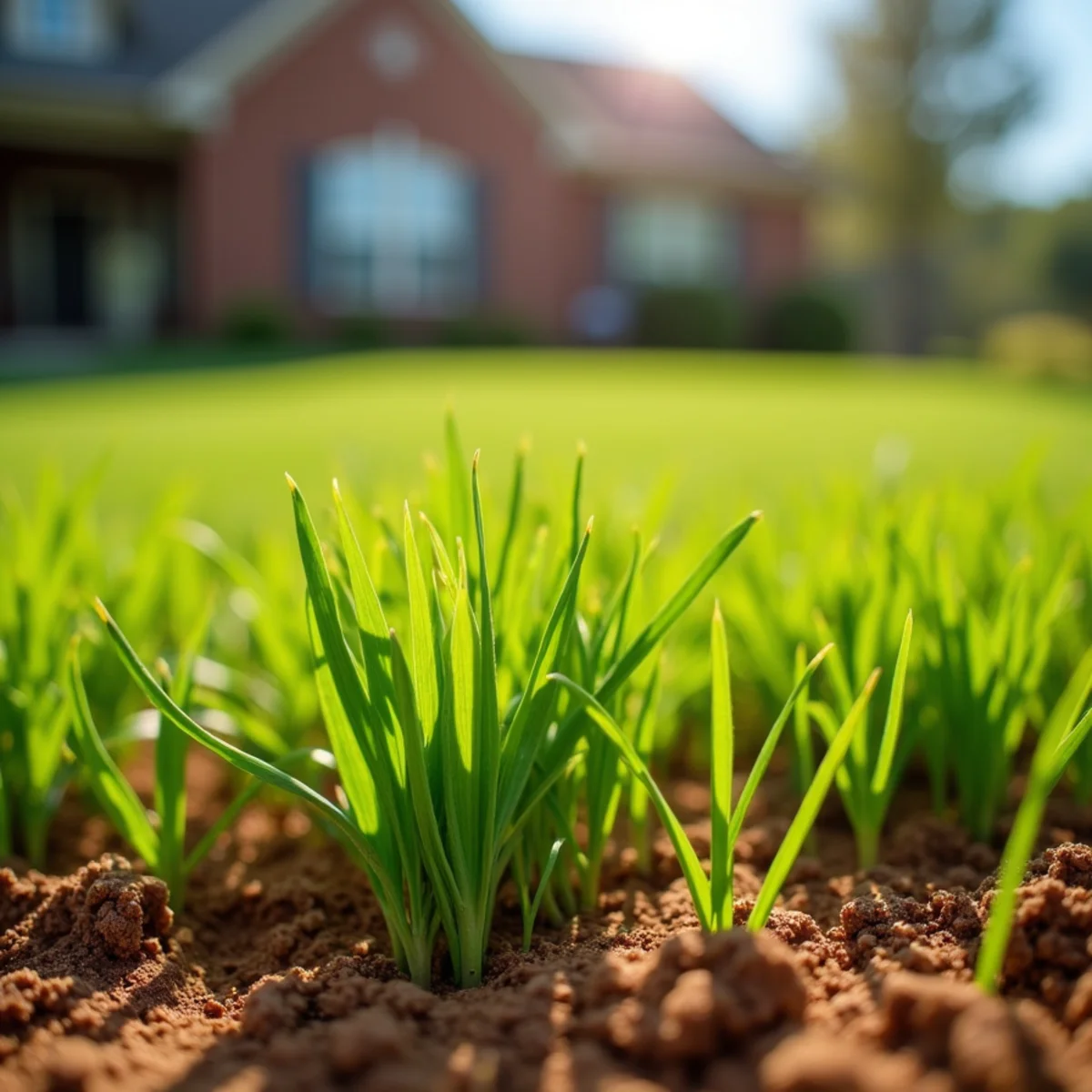
Harnett County sits at an interesting crossroads. The northern and western reaches lean toward the red clay of the Piedmont, while the south and east slide into the sandy soils of the Sandhills. That split is exactly why there is no single best grass for the whole county, only the best grass for your particular lot.
Add in our transition-zone climate, where summers punish cool-season grass and winters nip warm-season grass, and grass selection becomes the most important decision you make for your lawn. Here is how to choose.
First, Know Your Soil and Sun
Before you fall in love with a grass, honestly assess two things: your soil and your sunlight.
- Soil. Is your lot heavy clay that holds water, loose sand that drains fast, or a mix? Clay needs grasses and practices that handle compaction; sand needs grasses that tolerate drought and low fertility.
- Sun. Count the hours of direct sun. Most warm-season grasses demand full sun, while fescue is your best bet for shade.
- Traffic and use. Kids and dogs need a tough, wear-tolerant grass.
A soil test is cheap insight. It tells you pH and nutrients so you match grass to reality, not guesswork.
The Top Grass Options for Harnett County
Tall Fescue (Cool-Season)
The go-to for shade and year-round green. Fescue stays green through winter and tolerates shade better than any warm-season option, which makes it popular on tree-lined and clay lots. The catch is summer: it struggles in July and August heat and is prone to brown patch, so it needs smart summer management and fall overseeding to stay thick.
Bermuda (Warm-Season)
A tough, sun-loving, heat-thriving grass that laughs at Harnett summers and heals fast from wear, ideal for open, full-sun lawns and active families. It goes dormant and brown in winter and will not tolerate shade, but for a durable summer lawn on either clay or sand, it is hard to beat.
Centipede (Warm-Season)
The low-maintenance favorite for the sandy, acidic soils in the southern part of the county. Centipede needs little feeding and little mowing, which suits it perfectly to Sandhills conditions. It does not handle heavy traffic or high pH well, and it greens up slowly, but for a low-input lawn on sand it is a natural.
Zoysia (Warm-Season)
A dense, carpet-like grass that offers a premium look, good drought tolerance, and better shade tolerance than bermuda. It is slower to establish and costs more, but many homeowners love its thick, weed-resisting turf. It also goes dormant and tan in winter.
Matching Grass to the Harnett Landscape
- Shady, clay-heavy lot in the north of the county: tall fescue, maintained carefully through summer.
- Open, sunny lot anywhere: bermuda for durability or zoysia for a premium look.
- Sandy, low-maintenance lot in the south: centipede, with restraint on feeding and lime.
Establishing the New Lawn
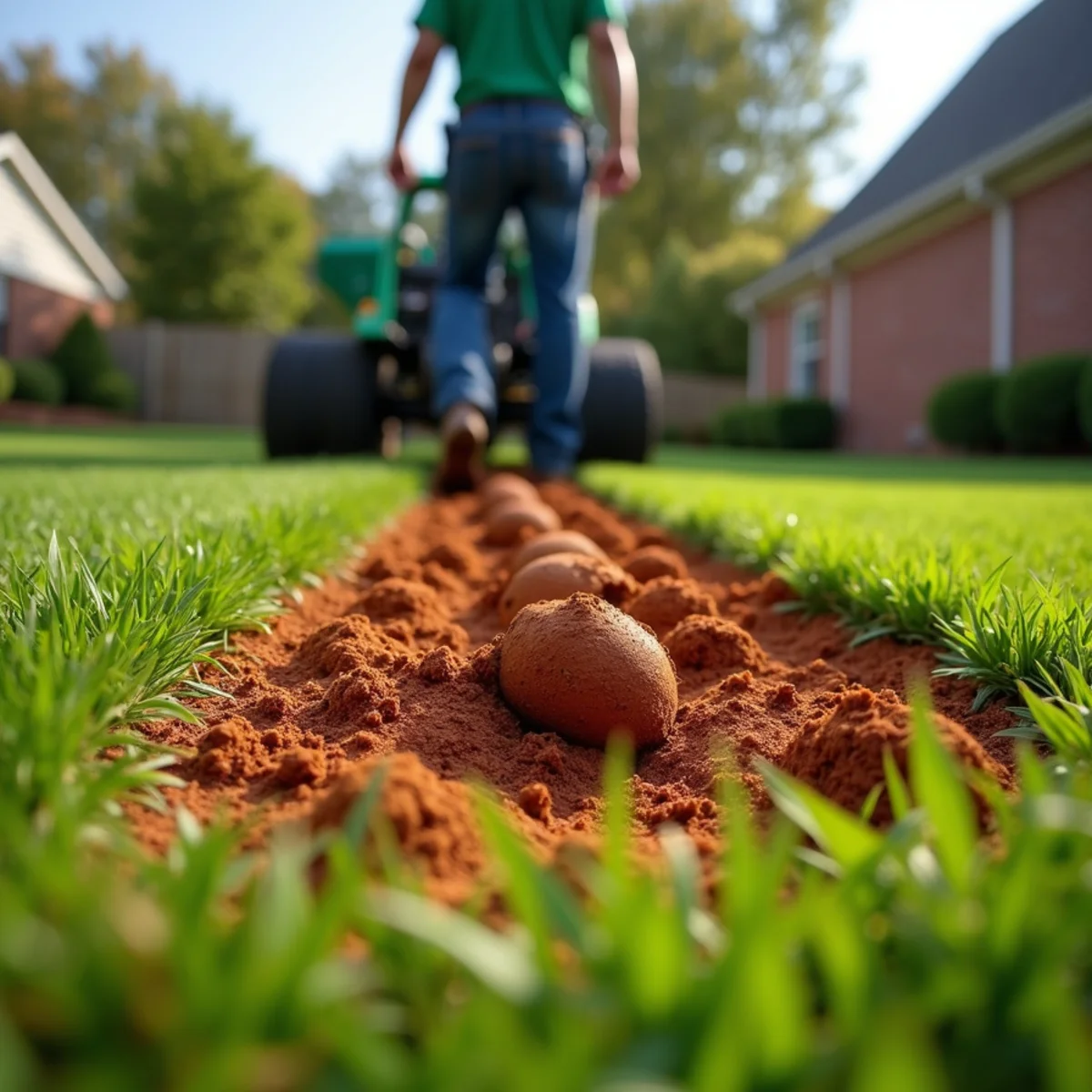
Warm-season grasses like bermuda, centipede, and zoysia are usually established by sod or plugs rather than seed, and our sod installation gives you an instant, established lawn of exactly the variety you want. Fescue is typically established and renewed by seed, which is where our aeration and overseeding service comes in each fall to keep it thick.
Serving All of Harnett County
As a local company, we know these soils intimately. We install and maintain lawns across Harnett County, from the town lots of Dunn to properties around the county seat in Lillington, matching grass type to each lot's specific soil and sun.
The Mistake of Fighting Your Lot
The most expensive lawn is the one that is wrong for its site. We regularly meet homeowners pouring money into fescue under deep shade where it will never thrive, or babying a warm-season grass in a spot that stays cold and wet. The grass is not failing because of a lack of effort. It is the wrong plant for the conditions.
Matching grass to site works with nature instead of against it. A shady lot gets a shade-tolerant approach. A sun-baked, sandy slope gets a drought-tough warm-season grass. A high-traffic backyard for kids and dogs gets bermuda that heals fast from wear. Make that decision correctly once and the lawn largely takes care of itself, needing less water, less fertilizer, and less rescue work every year.
It is also worth remembering that many Harnett lots contain more than one microclimate. The sunny front and the shaded, tree-lined back may genuinely need different grasses, and there is nothing wrong with running fescue in one area and a warm-season grass in another where the conditions call for it.
A Quick Decision Guide by Situation
If the grass options still feel like a toss-up, matching them to a few common Harnett situations usually makes the choice obvious. Start with your two hard limits, sun and soil, then let use decide the rest.
- Heavy shade under mature trees: tall fescue is your only real option, and even then thinning the canopy helps, because no warm-season grass tolerates deep shade.
- Full sun, kids and dogs, want it tough: bermuda, which heals fast from wear and thrives in the summer heat.
- Full sun, want a premium carpet and less weeding: zoysia, accepting slower establishment and a higher cost.
- Sandy, acidic lot in the south of the county, want low input: centipede, fed and limed sparingly.
- Mixed sun and shade across one lot: more than one grass, running fescue in the shaded areas and a warm-season grass in the sun.
The Shade Question Most Homeowners Get Wrong
The single most common mismatch we see in Harnett County is fescue expected to thrive in sun-baked open lawn, or a warm-season grass forced into shade where it never fills in. Grass needs light, and no product, watering schedule, or fertilizer overcomes a fundamental shortage of it. Before choosing, honestly count the hours of direct sun a spot receives in midsummer. Under about four hours, only fescue has a chance, and even it will be thinner than in sun. That honest accounting up front saves years of pouring money into a lawn quietly fighting its own location.
Pick the Right Grass From the Start
The wrong grass fights your lot forever, while the right one practically takes care of itself. Will Do Lawn Care will assess your soil, sun, and use, then recommend and install the grass that will thrive. Call (323) 606-0255 for a free consultation.
Related services & areas
Ready for a Yard You Can Be Proud Of?
Get a free, no-obligation quote today. Same-week response on most estimates — call now or request a quote online.
Frequently Asked Questions
Centipede grass. It thrives in the acidic, sandy soils of the southern county, needs little fertilizer and infrequent mowing, and tolerates the heat well. Just avoid overfeeding and liming, which are its main killers.
It depends on shade and use. Choose tall fescue for shady lots and year-round green, accepting that it needs summer care. Choose bermuda for open, sunny, high-traffic lawns that you want tough and heat-loving, accepting winter dormancy.
Warm-season grasses like zoysia and most improved bermudas are usually established by sod or plugs rather than seed for reliable, uniform results. Fescue, by contrast, is typically seeded and overseeded each fall.