When to Trim Shrubs and Hedges in North Carolina
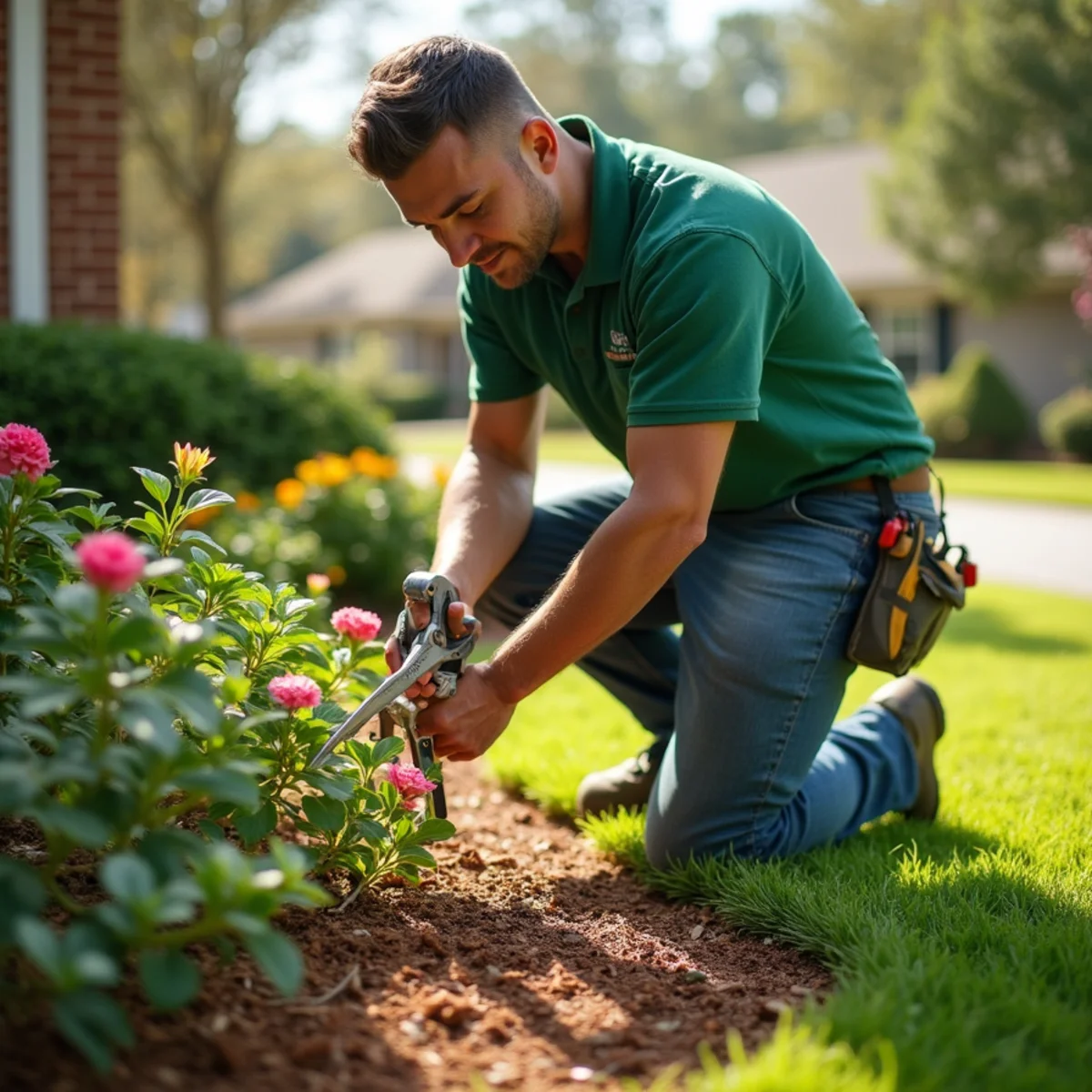
The single most common shrub-trimming mistake we see in North Carolina yards is good timing on the wrong plant: homeowners tidy everything up in late winter, then wonder why the azaleas and hydrangeas barely bloomed. The answer is that many spring-flowering shrubs set their buds the year before, so a late-winter trim cuts the flowers right off. Knowing when to trim each plant is the difference between fuller, healthier shrubs and ones that sulk or skip a season.
Here is a plain-English timing guide for the shrubs and hedges most common in central NC landscapes.
The one rule that prevents most mistakes
If a shrub flowers in spring, trim it right after it finishes blooming. If it flowers in summer or is grown for its foliage, you can usually shape it in late winter or during the growing season. Get just that rule right and you avoid the most painful trimming error — removing a whole year of flowers.
Spring-flowering shrubs: trim right after bloom
These set next year's flower buds on last year's growth, so late-winter or early-spring trimming removes the buds. Shape them within a few weeks of flowering instead:
- Azaleas and rhododendrons
- Most bigleaf (mophead) hydrangeas
- Forsythia
- Loropetalum (Chinese fringe flower)
- Camellia (after the blooms fade)
- Spring-blooming spirea
Summer-flowering and foliage shrubs: late winter is fine
These bloom on the current season's new growth, or are grown for their leaves, so a late-winter shaping encourages fresh growth without costing you flowers:
- Crepe myrtle (shape in late winter — and please skip the harsh 'topping')
- Panicle and smooth hydrangeas (such as Limelight and Annabelle)
- Butterfly bush
- Summer-blooming spirea
- Nandina and other foliage shrubs
Evergreens and formal hedges: light shaping in the growing season
Boxwood, holly, ligustrum, cleyera, and similar evergreens used for hedges and foundation plantings take a light shaping once or twice during the growing season to hold a clean line. A common timing is a shaping in late spring after the first flush of growth, with a touch-up in mid- to late summer. Avoid heavy cutting in late fall, which can push tender new growth right before a freeze.
Keep hedges wider at the bottom
A quick technique point: trim hedges slightly wider at the base than the top so sunlight reaches the lower branches. Hedges sheared narrower at the bottom go bare and leggy down low over time — the classic 'green on top, sticks at the bottom' look.
How much should you take off at once?
A good rule for routine shaping is to remove no more than about a third of a shrub at a single trimming. Taking more than that stresses the plant, forces a flush of weak new growth, and can leave bare woody gaps that take a full season to fill back in. Light, well-timed trims a couple of times a year keep a shrub dense and healthy far better than one hard 'catch-up' cut. The exception is deliberate rejuvenation pruning on tough broadleaf shrubs, covered below, where a harder cut is the whole point — but that is a planned reset, not routine maintenance.
It also pays to make clean cuts just above a bud or branch junction and to pull out any dead, diseased, or crossing branches while you are in there. Those cuts improve airflow through the shrub, which matters in our humid NC summers where damp, crowded interiors invite fungus and pests. Shaping for airflow, not just outline, is a big part of why professionally trimmed shrubs stay healthier.
What about badly overgrown shrubs?
Shrubs that have gone leggy, woody, and overgrown often need rejuvenation pruning — a harder cut that sacrifices the current look to bring the plant back fuller over a season or two — rather than just topping them, which leaves bare gaps. Many broadleaf shrubs (hollies, ligustrum, cleyera) respond well to this; others are better replaced. This is worth getting right, because a bad hard-prune on the wrong plant can set it back badly.
If your beds need more than a trim — removing dead shrubs, replacing leggy ones, or reworking the layout — that is where landscaping and planting comes in. For routine shaping, our shrub and hedge trimming service keeps everything in form and hauls away every clipping.
Trim with the rest of the yard for the biggest impact
The fastest curb-appeal jump is shaping shrubs, edging the beds, and refreshing the mulch or pine straw in one visit. Because we maintain many of these same yards across Angier and Cary year-round, we time each plant's trim to its own cycle rather than cutting everything on one day.
Not sure when your shrubs should be trimmed? Call Will Do Lawn Care at (323) 606-0255 and we will shape them at the right time, for health and looks — and clean up every clipping.
Related services & areas
Ready for a Yard You Can Be Proud Of?
Get a free, no-obligation quote today. Same-week response on most estimates — call now or request a quote online.
Frequently Asked Questions
Trim azaleas and most bigleaf (mophead) hydrangeas right after they finish blooming in spring. They set next year's flower buds on old growth, so a late-winter trim removes the flowers. Panicle and smooth hydrangeas (like Limelight and Annabelle) are the exception — they bloom on new growth and can be cut in late winter.
Most formal evergreen hedges look best with a light shaping once or twice during the growing season to hold a clean line. Fast growers may need more; slower foundation shrubs are often fine with one good shaping a year. The right frequency depends on the specific plants.
Heavy trimming in late fall can push tender new growth just before a freeze, which then gets damaged. Light cleanup is usually fine, but save major shaping for late winter or the right point in each plant's cycle. We time trims to avoid stressing plants heading into winter.
Often, yes — many broadleaf shrubs respond well to rejuvenation pruning, a harder cut that brings them back fuller over a season, rather than just topping them. Some plants are better replaced. We will tell you honestly which is which for your specific shrubs.