Red Clay Soil Problems: Why Wake County Lawns Need Aeration Every Fall
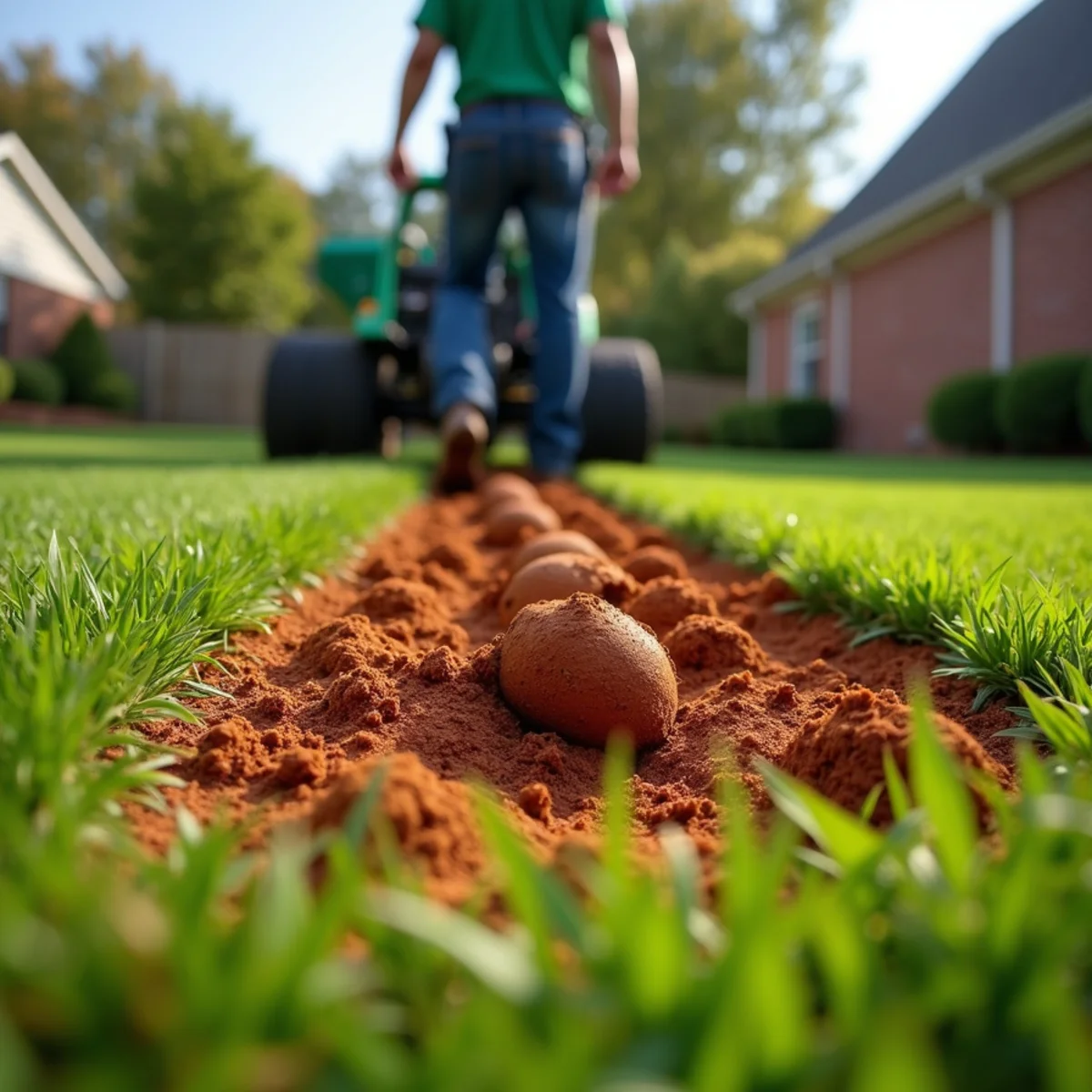
Anyone who has dug a hole in Wake County knows the stuff: dense, orange-red clay that turns to brick in summer and gum in winter. It gives the Piedmont its color, and it gives lawns fits. If your grass looks tired no matter how much you water and feed, the clay underneath is very likely the reason.
The most powerful thing you can do for a clay-soil lawn is aerate it every fall. Here is why.
Why Red Clay Fights Your Lawn
Clay is made of extremely fine, flat particles that pack together tightly, leaving little room for the air and water that roots need. That structure creates a chain of problems.
- It compacts easily. Foot traffic, mowers, and even rain press the particles tighter, squeezing out pore space.
- It drains slowly. Water sits on top and runs off instead of soaking in, so roots get flooded then parched.
- It starves roots of oxygen. Compacted clay has almost no air space, and roots need to breathe.
- It resists penetration. Grass roots cannot push down into brick-hard clay, so they stay shallow and weak.
A lawn on compacted clay is fighting for its life underground, no matter how good your fertilizer is. You can spread the best products on the market, but if water and nutrients cannot reach the roots and the roots cannot grow down, most of that effort runs off with the next rain. This is exactly why so many Wake County homeowners feel like they do everything right and still end up with a thin, struggling lawn. The problem is not the care, it is the concrete-hard soil underneath it.
What Core Aeration Actually Does
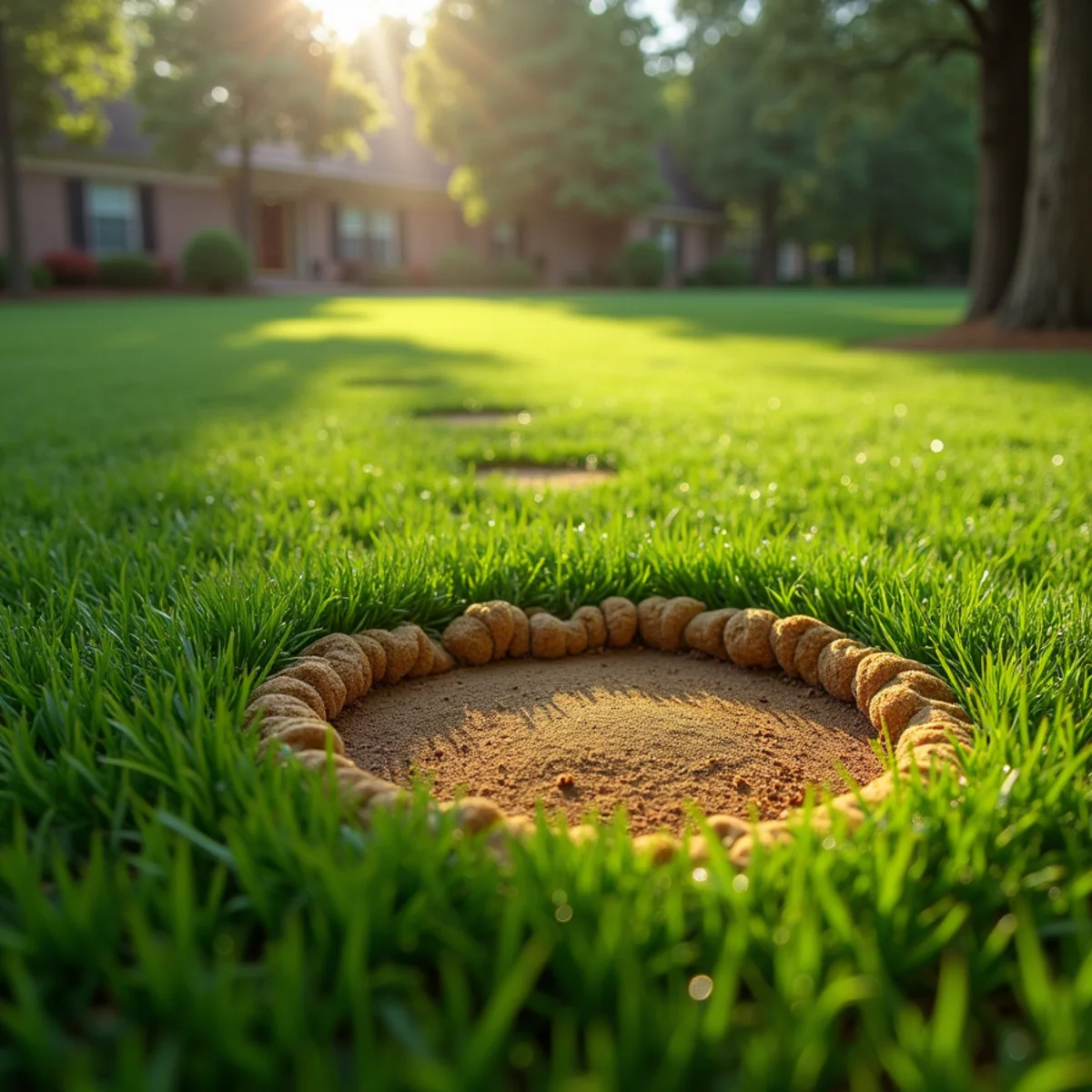
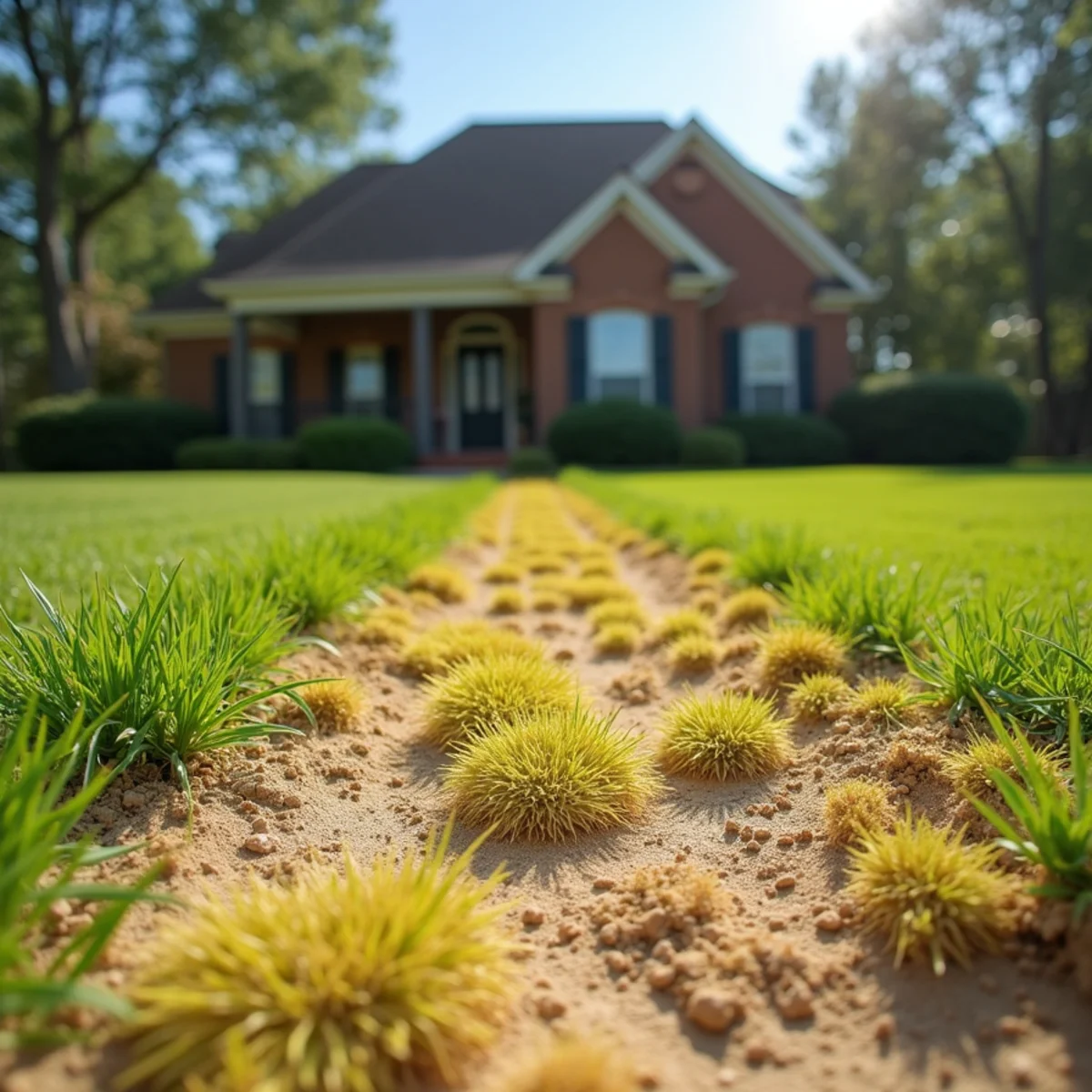
Core aeration uses a machine to pull thousands of small plugs of soil out of the lawn, leaving open channels a few inches deep. Those holes are small but transformative.
- They relieve compaction, giving the soil room to breathe.
- They let air, water, and nutrients reach the root zone directly instead of running off.
- They give roots space to grow deeper, building a stronger, more drought-resistant lawn.
- They break down thatch by introducing soil microbes to the surface.
Do not confuse core aeration with spike aeration. Spikes just poke holes and can worsen compaction by pushing clay aside. Pulling actual cores is what relieves the pressure, and it is what our aeration and overseeding service does.
Why Fall Is the Right Time
Timing matters. For the cool-season fescue that dominates Wake County lawns, fall is ideal. The grass is entering its strongest growth period, so it recovers fast and takes full advantage of the loosened soil to build roots before winter.
Fall aeration also pairs perfectly with overseeding. Seed dropped right after aeration falls into the open holes, making ideal soil contact for germination. Aerate and overseed together and you knock out compaction and thickening in one pass, the highest-value thing you can do for a clay lawn all year.
Aeration Is Not a One-Time Fix
Because clay recompacts with time and traffic, aeration is a yearly maintenance task, not a one-and-done. Skip a couple of years and the soil tightens right back up. An annual fall aeration keeps the lawn breathing season after season, which is why it anchors our ongoing lawn care services.
Serving Cary, Apex, and Raleigh
Red clay is the common denominator across the Triangle. We aerate lawns every fall throughout the area, from established neighborhoods in Cary and Apex to lots across Raleigh, where the same dense clay makes annual aeration essential.
Aeration Plus Topdressing: The Long Game for Clay
Aeration relieves compaction, but if you want to actually improve the clay over time rather than just poke holes in it every year, pair aeration with compost topdressing. After pulling cores, a thin layer of quality compost is raked over the surface and works down into the holes.
Do this over a few seasons and you are slowly building organic matter into the top few inches of soil, which is exactly what dense clay lacks. Organic matter opens up the soil structure, feeds beneficial microbes, and improves both drainage and moisture-holding at once. It is the closest thing there is to permanently upgrading a clay lawn, and it compounds year over year.
Signs Your Lawn Is Begging for Aeration
- Water puddles or runs off instead of soaking in.
- The soil is so hard you cannot push a screwdriver in more than an inch.
- The lawn thins despite proper feeding and watering.
- Thatch has built up into a spongy layer above the soil.
- High-traffic paths have gone bare and compacted.
Getting the Most From a Fall Aeration
Aeration is powerful, but a few simple moves around it multiply the benefit, especially on stubborn clay. Done as part of a short sequence, that single fall pass does far more than poking holes ever could.
- Mow the lawn a little shorter than usual and, if the soil is bone dry, water a day ahead so the machine pulls deep, intact cores instead of skipping across hard ground.
- Make multiple passes in different directions over heavily compacted areas so you get enough holes per square foot to matter.
- Overseed immediately after aerating, while the holes are still open, so fescue seed drops in for ideal soil contact.
- Topdress with a thin layer of compost, working it into the holes to slowly build organic matter into the clay.
- Leave the soil plugs on the surface to break down on their own, since they return soil and beneficial microbes to the thatch layer.
Skipping the follow-up is the most common way homeowners leave value on the table. An aeration paired with overseeding, topdressing, and a fall feeding does in one afternoon what months of surface products cannot, because it finally gets air, seed, and organic matter down where the roots actually live instead of leaving them to run off the hard surface.
Water Clay Deeply, Not Often
Once the soil is opened up, watering habits decide whether the improvement holds. Clay absorbs water slowly, so a long, gentle soaking that lets moisture sink in beats a heavy blast that simply runs off. Water deeply and infrequently to draw roots downward into the loosened soil, rather than lightly and daily, which keeps roots shallow and the surface compacted right back to where it started.
Give Your Clay Lawn Room to Breathe
If your lawn struggles despite your best efforts, the compacted clay underneath is likely holding it back. Will Do Lawn Care pulls real cores and can overseed in the same visit for a thicker lawn next spring. Call (323) 606-0255 to schedule fall aeration.
Related services & areas
Ready for a Yard You Can Be Proud Of?
Get a free, no-obligation quote today. Same-week response on most estimates — call now or request a quote online.
Frequently Asked Questions
Every fall. Clay soil recompacts with time and traffic, so annual core aeration is a maintenance task, not a one-time fix. Skipping years lets the soil tighten right back up and undoes the benefit.
Yes. Core aeration pulls plugs out and truly relieves compaction. Spike aeration just pokes holes and can actually worsen compaction by pushing clay particles aside. For clay soil, always pull cores.
For the fescue common in Wake County, fall is peak growth, so the lawn recovers quickly and builds roots before winter. Fall aeration also pairs with overseeding, letting seed settle into the holes for excellent germination.