Centipede Grass Decline in the Sandhills: Causes and Cures
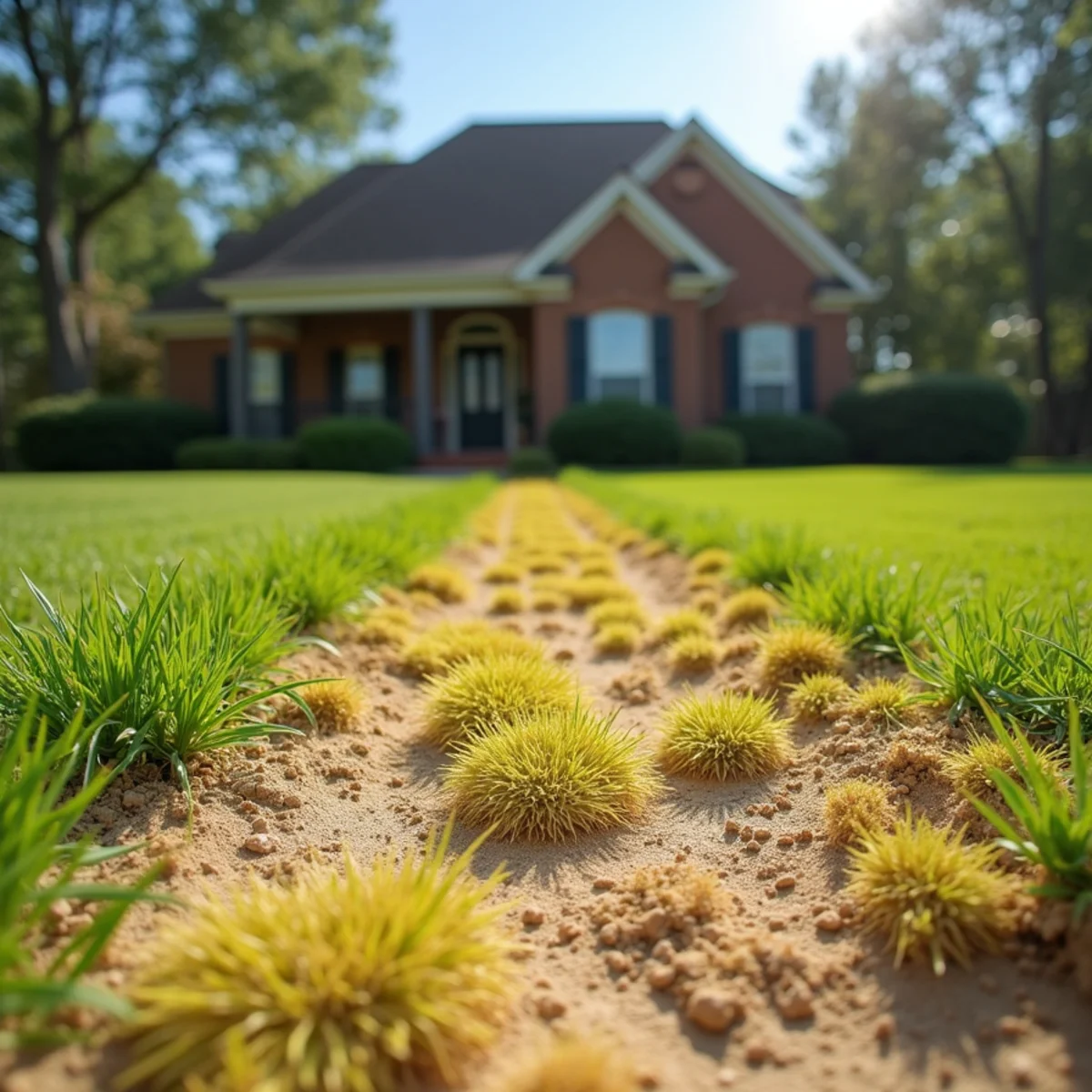
Centipede grass has a nickname in the Sandhills: the lazy man's grass. It is low-growing, low-feeding, and tolerates the acidic, sandy soils around Southern Pines and Raeford beautifully. Right up until it starts thinning out, yellowing, or dying in patches, and homeowners cannot figure out why.
Centipede is wonderful when you work with its quirks and unforgiving when you fight them. Here are the real causes of decline and how to bring the lawn back.
Centipede Is Different, and That Is the Key
Almost every centipede problem comes from treating it like bermuda or fescue. It is a slow-growing, shallow-rooted grass with genuinely low nutrient needs. Overdo the care and you kill it with kindness.
Cause 1: Too Much Fertilizer
This is the most common mistake by far. Centipede needs very little nitrogen, far less than other Southern grasses. Overfeeding pushes excess growth, builds thatch, and leaves the grass prone to a specific killer.
Heavy feeding, especially high-phosphorus lawn foods, is a leading trigger of what is called centipede decline. Less is genuinely more. A soil-tested, restrained feeding schedule is central to how we approach centipede in our fertilization and weed control program. The habit that gets homeowners in trouble is treating centipede on the same schedule as a neighbor's bermuda lawn. Bermuda is a hungry grass that wants regular nitrogen, while centipede wants a fraction of that, and applying a bermuda feeding plan to centipede is one of the surest ways to watch it decline.
Cause 2: Wrong Soil pH
Centipede wants acidic soil, roughly a pH of 5.0 to 6.0, which is why it thrives in the naturally acidic Sandhills. Apply lime the way you would for fescue and you raise the pH out of centipede's comfort zone, which locks up iron, yellows the grass, and invites decline. Never lime a centipede lawn without a soil test that clearly calls for it.
Cause 3: Thatch Buildup
Because centipede spreads by stolons along the surface, it builds thatch, and overfeeding accelerates it. A thick thatch layer holds the roots up off the soil, where they dry out and freeze. Managing thatch through proper mowing and periodic aeration keeps the grass rooted where it belongs.
Cause 4: Scalping and Mowing Too Low
Centipede should be mowed low but not scalped, generally around 1.5 to 2 inches. Letting it grow tall and then scalping it back shocks the grass and exposes stolons. Consistent, moderate mowing keeps it dense and healthy.
Cause 5: Centipede Decline Syndrome
When several of the above stack up, over-fertilizing, high pH, thatch, and drought stress, the result is the dreaded spring green-up failure, where patches simply never wake up after winter. The cure is not a product but a reset of the whole care approach: correct the pH, cut way back on feeding, manage thatch, and water properly.
The Recovery Plan
- Get a soil test so you know your real pH and nutrient levels instead of guessing.
- Cut fertilizer back dramatically and avoid high-phosphorus products.
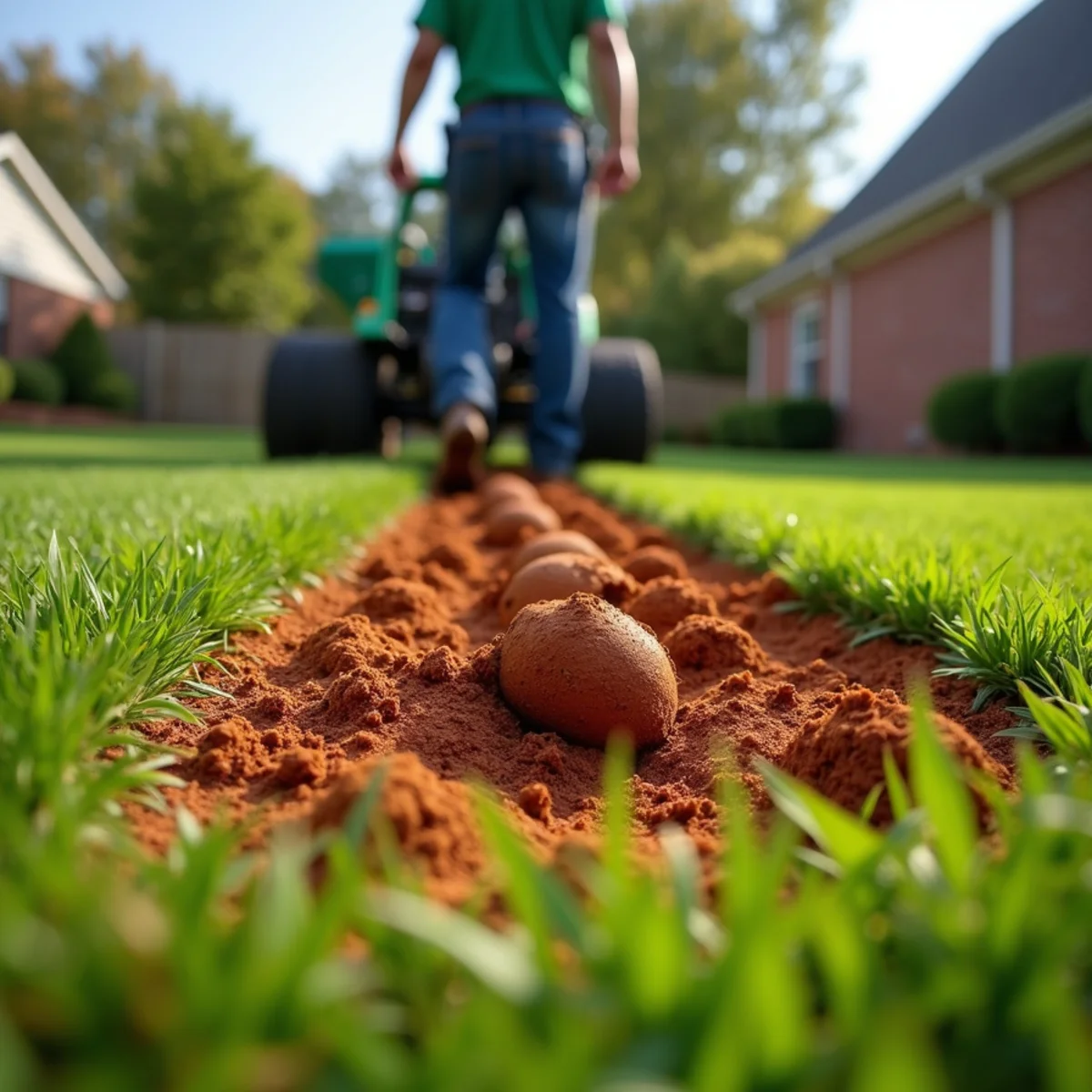
- Address thatch and compaction, often with careful aeration.
- Water deeply but infrequently, since centipede does not want to stay wet.
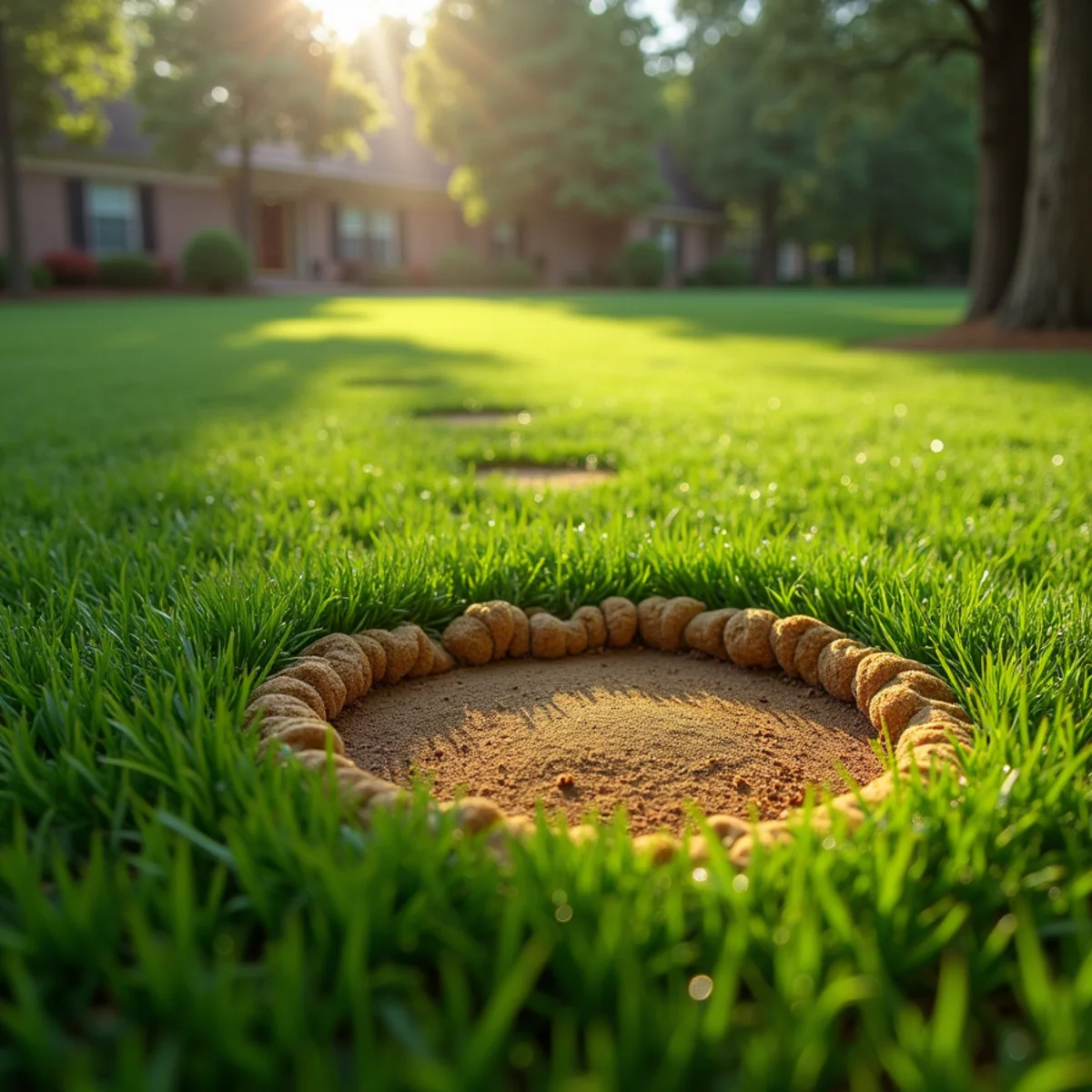
- Overseed or plug thin areas once the underlying conditions are corrected.
For thin lawns, timely aeration and reseeding help centipede fill back in. Our aeration and overseeding service, timed for the warm-season window, gives struggling centipede room to recover and spread.
Serving the Sandhills
We know Sandhills turf. We care for centipede and other warm-season lawns across the region, including the golf-country neighborhoods of Southern Pines and family yards in Raeford, where sandy soil and centipede go hand in hand.
A Simple Year of Centipede Care
Because so many centipede problems come from doing too much, a light, well-timed routine beats an aggressive one every time. Here is the restrained rhythm that keeps centipede happy in the Sandhills.
- Spring: wait for full green-up before doing anything, then apply a pre-emergent for crabgrass. Do not rush to feed.
- Early summer: a single light nitrogen feeding is plenty for the whole season if the grass needs it at all.
- Summer: mow low and consistently, water only when the grass shows drought stress, and watch for spots rather than reacting to every off color.
- Fall: ease off entirely and avoid late feeding, which makes centipede vulnerable to winter kill.
- Anytime: never lime without a soil test that clearly calls for it.
Notice how little is on that list compared to a fescue or bermuda calendar. That is the point. With centipede, the biggest favor you can do the lawn is resist the urge to fuss over it, and let its natural low-input nature carry the day.
Watering and Weed Control Without Hurting Centipede
Two ordinary lawn tasks, watering and weed control, cause a surprising amount of centipede damage when they are done the way you would for other grasses. Centipede's quirks extend here too, and once again a light, careful hand wins.
Water Deeply, but Only When It Asks
Centipede is shallow-rooted and does not want to sit wet, yet it is also less drought-hardy than bermuda. The right approach is a deep, infrequent soaking only when the grass shows the first signs of drought stress, a bluish-gray cast and footprints that linger, rather than a fixed daily schedule. Frequent shallow watering keeps the surface damp, encourages even shallower roots, and feeds the thatch and disease that push centipede toward decline.
Choose Weed Products Carefully
Many common weed-and-feed and broadleaf products that are perfectly fine on fescue or bermuda will injure centipede, sometimes severely. Always confirm a herbicide is labeled as safe for centipede before applying it, and be especially cautious with anything at high rates or applied during summer heat. The safest long-term weed strategy is the same as the low-input philosophy for the whole grass: a properly fed, correctly mowed centipede lawn at the right acidic pH grows dense enough to crowd most weeds out on its own.
When in doubt, treat centipede as the exception to whatever advice works for other Southern grasses. The instinct to feed more, water more, and spray more is exactly what pushes this easygoing grass into the decline homeowners are trying so hard to prevent.
Bring Your Centipede Back
Centipede decline looks scary but usually reverses once the care is corrected. Will Do Lawn Care will diagnose your lawn, test the soil, and build a restraint-based plan that suits this grass. Call (323) 606-0255 for a free assessment.
Related services & areas
Ready for a Yard You Can Be Proud Of?
Get a free, no-obligation quote today. Same-week response on most estimates — call now or request a quote online.
Frequently Asked Questions
Most often the soil pH is too high, frequently from applying lime it did not need. That locks up iron and yellows the grass. Overfertilizing can cause it too. A soil test tells you which correction your lawn needs.
Much less than other Southern grasses. Centipede has low nitrogen needs, and overfeeding is the leading cause of decline. Follow a soil test, use restraint, and avoid high-phosphorus lawn foods.
It is spring green-up failure where patches never recover after winter, caused by stacked stresses: over-fertilizing, high pH, thatch, and drought. The cure is resetting the whole care approach rather than applying a single product.