Fall Leaf Removal in NC: Why Letting Leaves Sit Kills Your Fescue
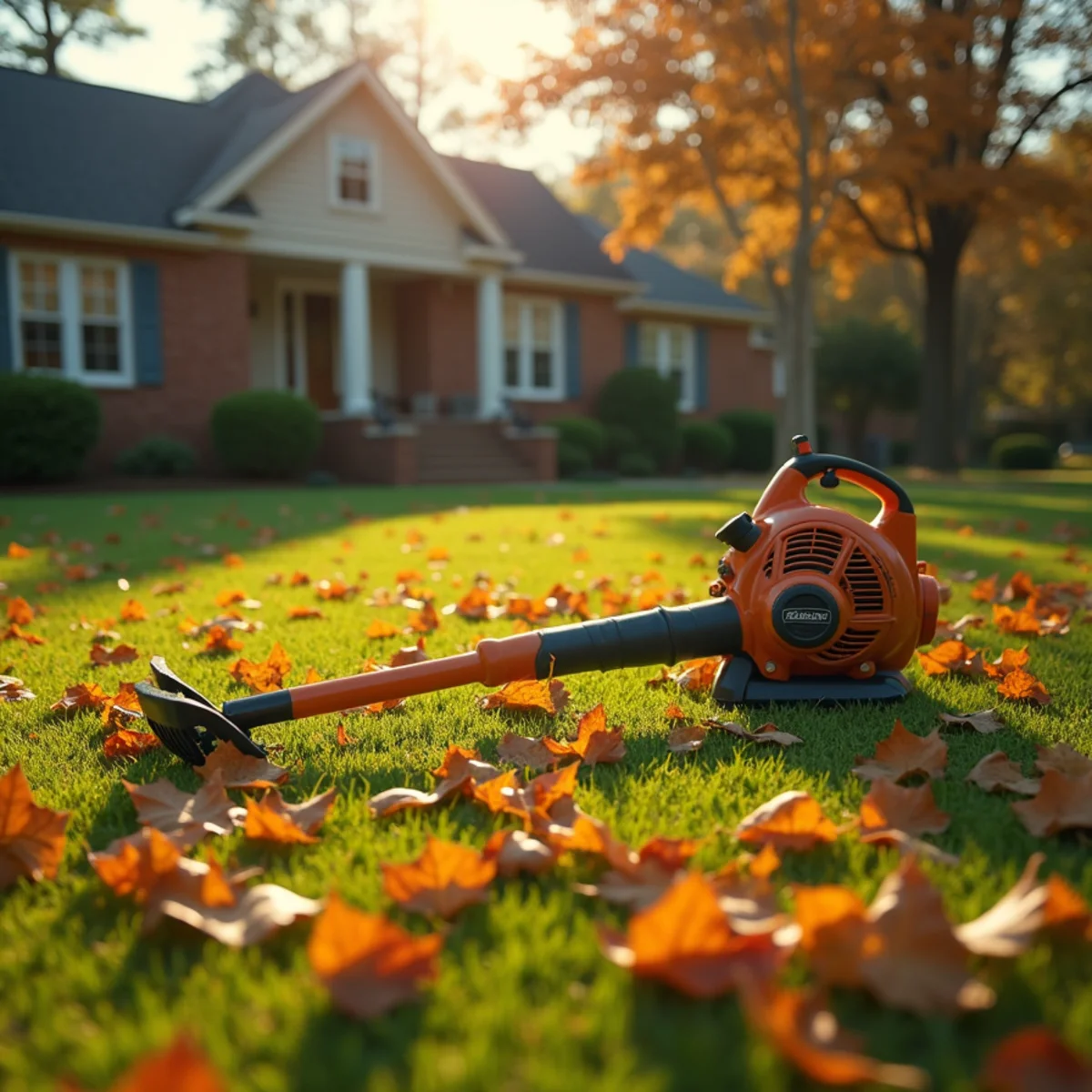
It is tempting to let the leaves lie. They are going to keep falling anyway, the thinking goes, so why not wait until they are all down and deal with it once? In North Carolina, with our mature oaks, maples, and sweetgums, that logic can quietly kill your lawn over the winter.
Fall is prime time for cool-season fescue, and a smothering leaf blanket robs it of exactly what it needs during its most important growing season. The irony is that the season when leaves fall heaviest is the exact season your fescue is trying hardest to grow, so the timing could not be worse. Here is what is really happening under those leaves.
Why Leaves Are So Hard on Fescue
Fescue is a cool-season grass that does its best growing in fall, building the roots and density that carry it through the next year. A layer of wet, matted leaves interrupts that at the worst possible time.
- They block sunlight. Grass is still actively photosynthesizing in fall. Cover it and it starves.
- They trap moisture and create disease. A damp mat of leaves is a greenhouse for fungal diseases like snow mold and encourages rot.
- They smother and compact. Wet leaves pack into a dense mat that flattens the grass and cuts off air.
- They invite pests. Matted leaves make cozy winter habitat for insects and rodents right against your turf.
Leave a heavy layer through winter and you can uncover bare, dead, moldy patches in spring, right where the lawn should have been strongest.
The Fall Fescue Connection
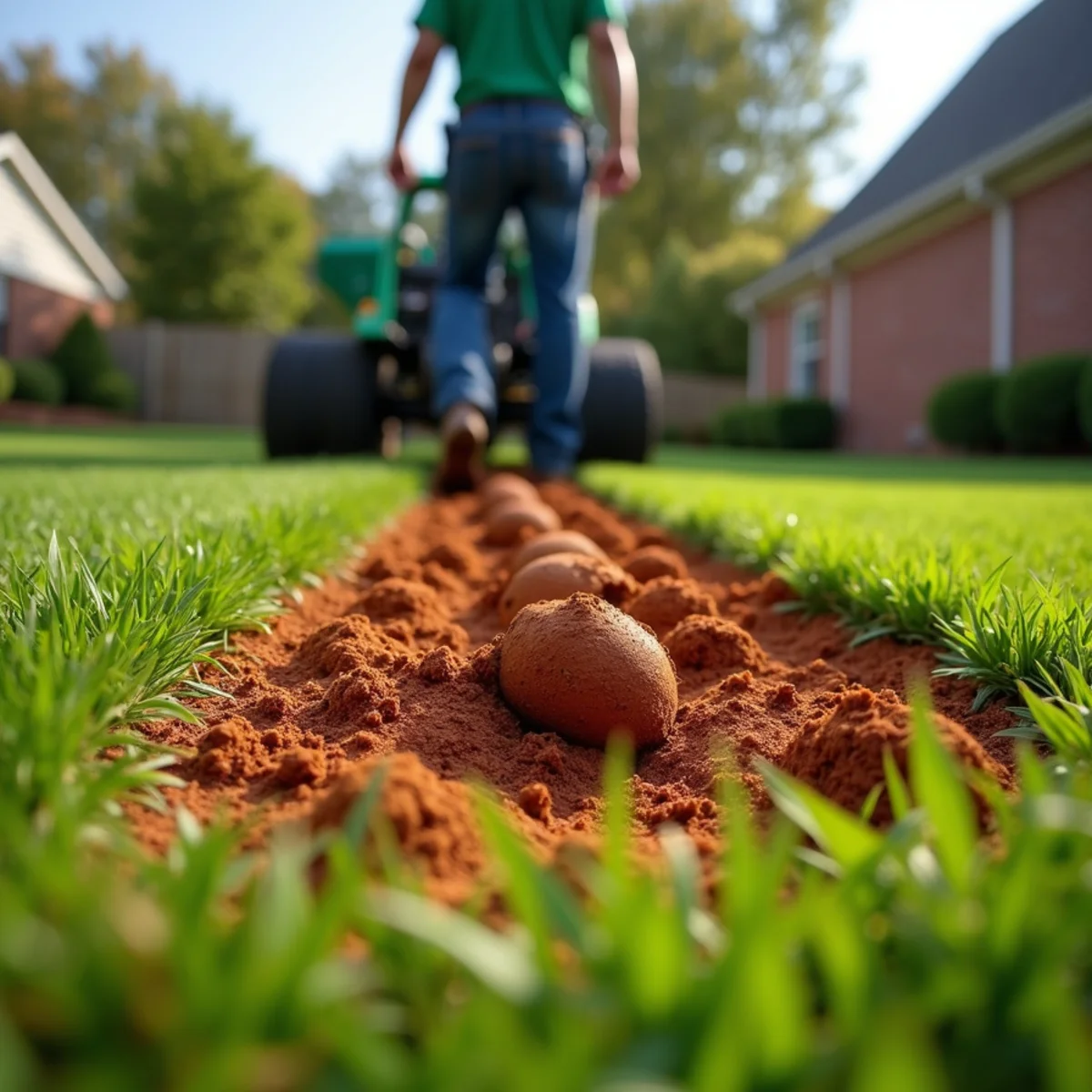
This is why timing stings. Many NC homeowners aerate and overseed their fescue in early fall, then let leaves pile up over the tender new seedlings. Those young plants need light and air more than anything, and a leaf blanket can wipe out the overseeding you just paid for. If you seeded this fall, staying ahead of the leaves is not optional.
Do Not Just Let Them Pile Up
The fix is to stay ahead of the leaves rather than waiting for the last one to fall. A few approaches work, depending on volume.
Mulch-Mowing Light Layers
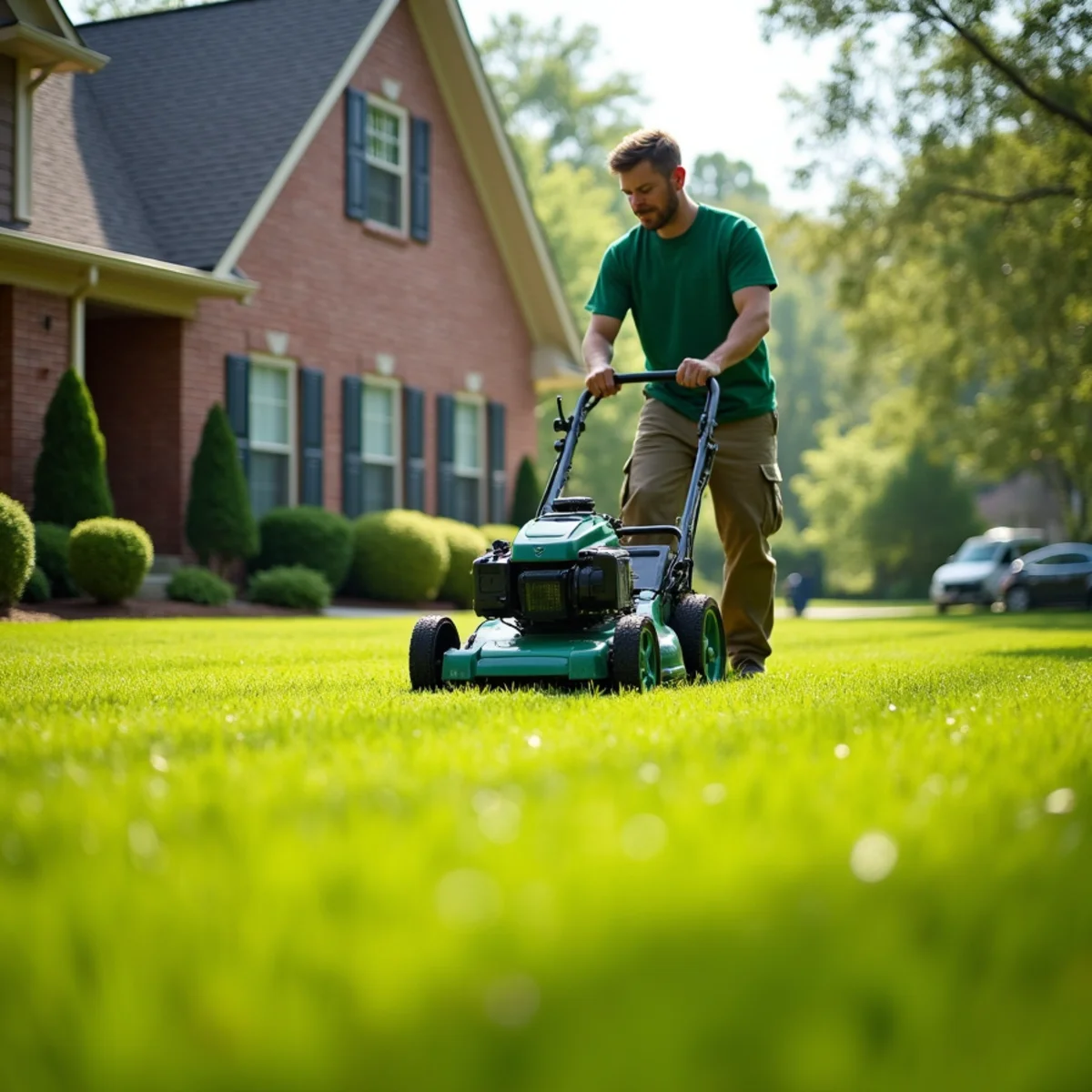
A thin scattering of leaves can be chopped up with a mulching mower and left to break down, returning nutrients to the soil. This works only for light coverage. Once you cannot see the grass through the leaves, mulching just creates a smothering layer of debris, and you need to remove them.
Removal for Heavy Coverage
Under mature NC hardwoods, mulching is not enough. The volume is simply too great, and the leaves need to be raked or blown up and hauled off. Doing this every week or two through the drop keeps the lawn breathing the whole season, which is what our one-time yard cleanup handles when the leaves get ahead of you.
Make It Part of Fall Lawn Care
Leaf removal is not a standalone chore, it is part of protecting your fall lawn investment. Keeping leaves cleared while the fescue builds roots, alongside the season's final mowing and feeding, is exactly what our ongoing lawn care services keep on track, so the lawn heads into winter healthy and comes out of it thick.
Serving Chapel Hill, Oxford, and Raleigh
Mature tree canopy makes leaf season serious business across the region. We keep lawns clear through the drop in the tree-lined neighborhoods of Chapel Hill, historic Oxford, and established parts of Raleigh, where big old hardwoods drop a heavy load every fall.
What to Do With All Those Leaves
Once the leaves are off the lawn, you have options beyond bagging them for the curb, and some of them put that material to good use around your property.
- Compost them. Fallen leaves are a free source of organic matter. A simple leaf pile breaks down into rich leaf mold that improves any garden or bed.
- Use them as bed mulch. Shredded leaves make an excellent free winter mulch for shrub and perennial beds, insulating roots through the cold.
- Shred and return light amounts to the lawn. A thin, chopped layer feeds the soil as it decomposes.
- Bag heavy volume for municipal pickup or haul-off when there is simply too much to reuse.
Do Not Blow Leaves Into the Street or Drains
It is tempting to blow leaves into the road and let them wash away, but in most NC towns that clogs storm drains and can violate stormwater rules. Piles in the street also create hazards. Keep leaves out of ditches and drains, and either reuse them or set them out the way your town requires.
Staying Ahead Through the Whole Drop
The mistake that costs lawns is treating leaf removal as one big end-of-season job. North Carolina's mature oaks, maples, and sweetgums drop over many weeks, and a lawn can be smothered long before the last leaf falls. Working through the drop in passes, rather than waiting, is what protects the fescue underneath.
- Go every one to two weeks during the heavy drop rather than waiting for it to finish, so leaves never mat down and block light for long.
- Match the method to the volume. Mulch-mow a light scattering, but rake or blow and haul once you can no longer see the grass through the leaves.
- Clear tender overseeded areas first. If you aerated and seeded this fall, those young seedlings die fastest under a leaf blanket and deserve priority.
- Do a thorough final clearing once the trees are bare, so nothing sits and mats down through the winter.
Do the Last Pass Before the First Hard Freeze
The clearing that matters most is the last one, once the canopy is empty. Leaves left to overwinter on the lawn stay wet, mat into a dense layer, and become a greenhouse for cold-weather fungal disease like snow mold, which shows up as matted, moldy patches when the lawn wakes in spring. Getting that final layer off before winter sets in means the fescue heads into the cold able to breathe and comes out of it thick, instead of pocked with the bare, dead spots a smothering leaf mat leaves behind.
Protect Your Fall Lawn Investment
All that fall aeration and overseeding is wasted if leaves smother the lawn all winter. Will Do Lawn Care keeps your yard cleared through the drop so your fescue thrives. Call (323) 606-0255 to schedule leaf removal.
Related services & areas
Ready for a Yard You Can Be Proud Of?
Get a free, no-obligation quote today. Same-week response on most estimates — call now or request a quote online.
Frequently Asked Questions
If coverage is heavy, yes. A thick, wet mat of leaves blocks sunlight, traps disease-causing moisture, and smothers fescue during its most important growing season. A light scattering can be mulch-mowed, but heavy leaves need removal.
Only light layers. A mulching mower can chop a thin scattering of leaves into nutrients for the soil. Once you cannot see grass through the leaves, mulching creates a smothering debris layer, and the leaves need to be removed.
Every one to two weeks through the drop, rather than waiting for the last leaf. Staying ahead keeps the lawn breathing and protects any fall overseeding, which young seedlings need light and air to survive.