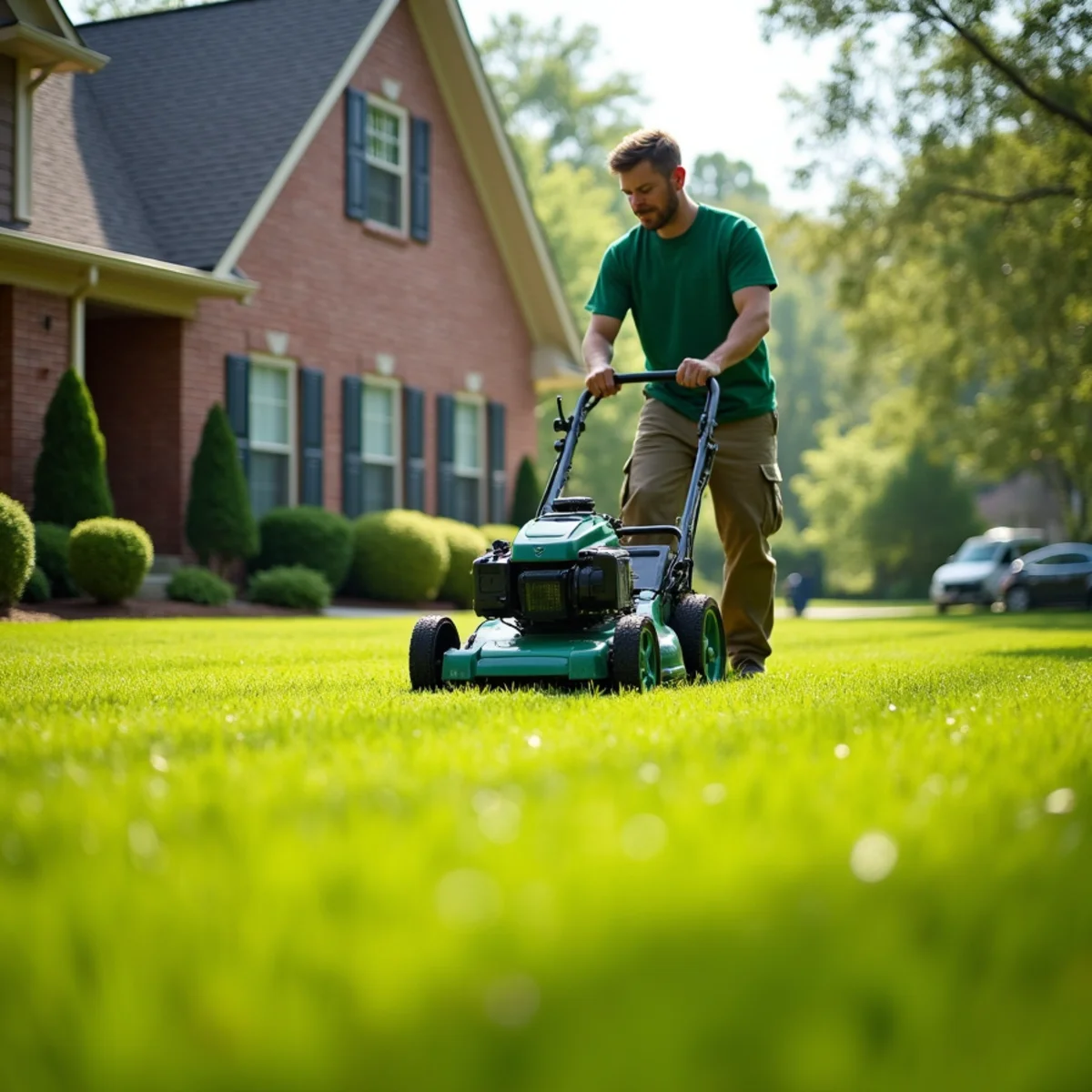
What Should an HOA Lawn Care Contract Include in Wake County?
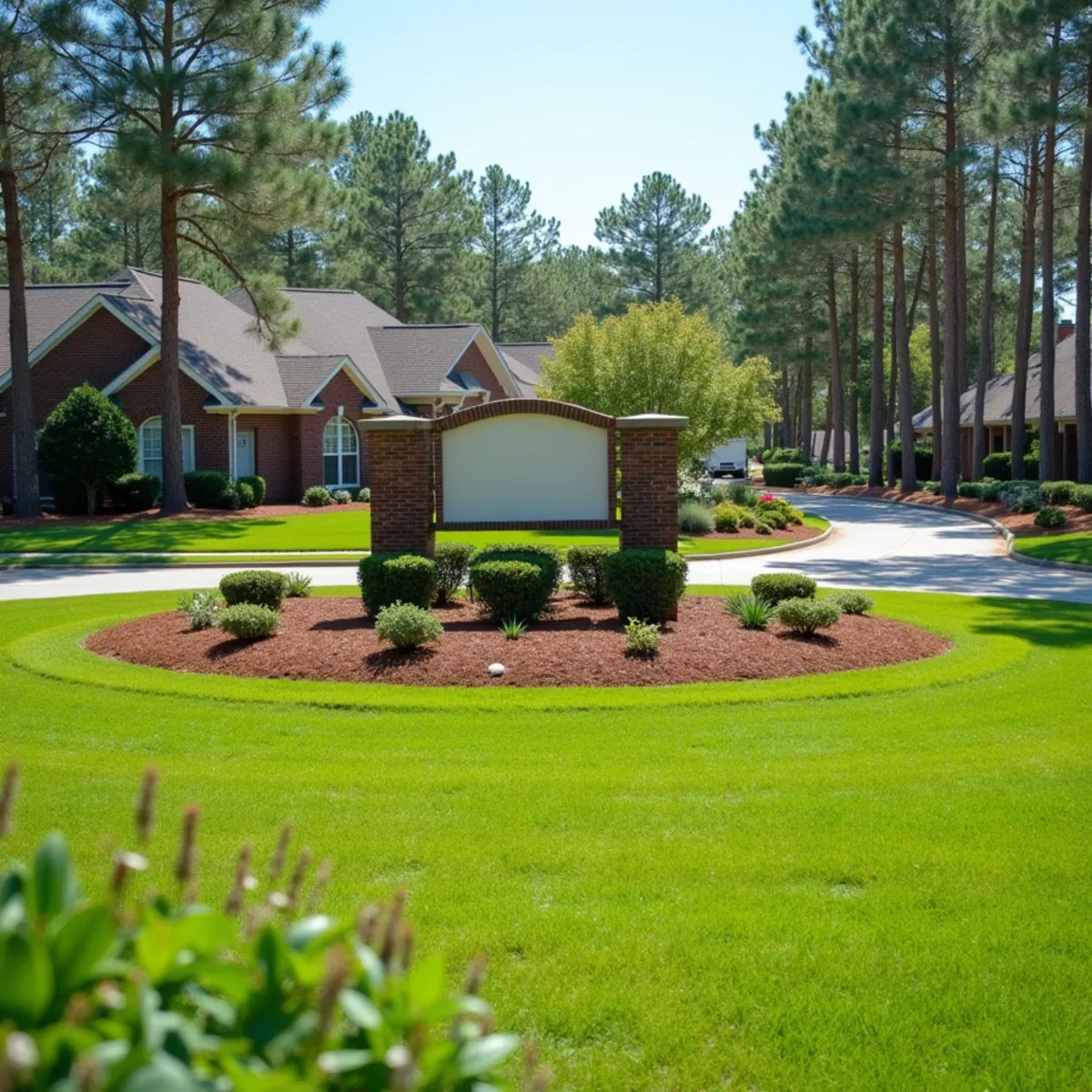
If you sit on an HOA board in Wake County, the landscaping contract is one of the biggest line items you manage and one of the easiest to get wrong. A thin, vague agreement is how common areas end up patchy, entrances look tired, and homeowners flood your inbox with complaints.
A good contract protects the community, sets clear expectations, and makes it obvious when work is or is not getting done. Here is what belongs in it.
1. A Detailed Scope of Work
Vagueness is the enemy. The contract should spell out every task and how often it happens, not just say maintain the grounds.
- Mowing frequency by season, with the understanding that spring and early summer need weekly service and winter needs far less.
- Trimming, edging, and blowing of all hard surfaces after each mow.
- Bed maintenance: weeding, mulch or pine straw refresh schedule, and shrub pruning windows.
- Turf treatments: fertilization rounds, pre-emergent and post-emergent weed control, and any disease management.
- Leaf removal in fall and seasonal cleanups.
- Irrigation checks and who is responsible for repairs.
2. Clearly Defined Property Boundaries
Spell out exactly which areas are covered: entrances and monuments, common greens, retention ponds, amenity centers, and street medians. Ambiguity about who maintains the strip between the sidewalk and the curb causes endless disputes.
3. Service Standards and Quality Benchmarks
Define what good looks like. Set a maximum grass height between visits, require sharp edging along all walks and beds, and state that debris and clippings will be cleared from streets and drains, which matters for stormwater compliance.
4. Communication and Reporting
The board should know work is happening without chasing anyone. A strong contract includes a single point of contact, service notifications or logs, and a defined response time for issues raised by the board or homeowners. Board members are volunteers with day jobs, and the last thing they need is to spend evenings fielding complaints about missed common areas and playing phone tag with a contractor. Clear reporting turns the relationship from a source of stress into a service that quietly takes care of itself.
5. Insurance, Licensing, and Liability
Never sign with an uninsured contractor. Require proof of general liability and workers' compensation coverage, and confirm the HOA is named appropriately. If a crew member is hurt on your common area or a mower throws a rock through a window, this clause protects the community.
6. Transparent Pricing and Term
Understand exactly what the monthly or annual fee covers and what counts as extra. Storm cleanup, sod replacement, and major plant installs are usually billed separately, and that should be stated plainly. Look for a fair term with a reasonable cancellation clause so a bad fit is not a trap.
7. A Realistic Local Turf Plan
This is where local expertise separates real partners from mow-and-go outfits. A Wake County contract should reflect our transition-zone reality: fescue common areas that need careful summer disease watch for brown patch, bermuda that greens up late, and clay soils that demand fall aeration. A contractor who does not mention these is not planning for the long haul.
Why It Pays to Hire Specialists
Community grounds are a commercial job, not an oversized residential one. Our commercial lawn care team is built for the scheduling, reporting, and consistency an HOA needs, backed by the full range of turf treatments in our lawn care services.
Serving Wake County Communities
We maintain neighborhoods and common areas throughout the county, including established and newer communities in Holly Springs and Cary, where residents hold high standards for curb appeal and boards expect real accountability.
Red Flags When Reviewing Bids
Boards often collect several bids and pick the lowest, then wonder why the common areas look tired by August. Price matters, but the cheapest proposal frequently hides gaps that cost the community more later. Watch for these warning signs as you compare.
- A one-page proposal with no itemized scope or frequencies, which leaves everything open to interpretation.
- No mention of turf treatments, aeration, or disease management, meaning the crew is a mow-and-go operation, not a grounds manager.
- No proof of insurance offered, or reluctance to provide it.
- No named point of contact or defined response time for issues.
- A price so far below the others that corners are guaranteed, usually skipped edging, stretched mowing intervals, or no bed care.
Ask About Communication Before You Sign
The contractor you want is one who tells you when work is done, flags problems before homeowners do, and answers the phone when the board calls. That responsiveness is worth more over a year than a small difference in the monthly rate.
Managing the Transition to a New Contractor
Switching landscaping companies is where communities often stumble, because the new crew inherits whatever condition the last one left behind. A little structure at the handoff prevents the awkward first season where problems get blamed on the wrong party and homeowners lose patience.
- Do a documented walk-through of every common area with the incoming contractor before the first visit, noting existing problem spots so they are not later mistaken for new neglect.
- Agree on a realistic timeline to correct inherited issues, since a tired, thin common area does not thicken up overnight.
- Confirm irrigation zones, controllers, and any known drainage or turf issues are mapped and understood from day one.
- Set the reporting cadence and the single point of contact in writing before any work begins.
A contractor who welcomes this kind of structured onboarding is showing you exactly the accountability you want for the length of the agreement. One who resists it, or wants to start mowing without ever walking the property with the board, is telling you something too.
Budget for the Whole Year, Not Just Mowing
Boards sometimes anchor on the monthly mowing figure and get surprised by seasonal costs. A sound landscaping budget also accounts for spring and fall cleanups, mulch or pine straw refreshes, turf treatments and fall aeration, seasonal color at the entrances, and a reserve for storm response. A contract that folds the predictable seasonal work into a clear annual plan is far easier to budget than one that generates a string of surprise line items across the year, and it keeps the community's common areas looking cared-for in every season rather than only in spring.
Request a Proposal Built for Your Community
Your board deserves a contract that is specific, accountable, and priced fairly. Will Do Lawn Care will walk your common areas and build a proposal with a real scope of work, not boilerplate. Call (323) 606-0255 to schedule a site visit.
Related services & areas
Ready for a Yard You Can Be Proud Of?
Get a free, no-obligation quote today. Same-week response on most estimates — call now or request a quote online.
Frequently Asked Questions
A detailed scope of work. It should list every task and its frequency, by season, so there is no ambiguity about what the board is paying for and no room for finger-pointing when something is missed.
Absolutely. Require proof of general liability and workers' compensation before signing. It protects the community if a worker is injured on common area or property is damaged during service.
Usually not. Major storm debris cleanup, tree removal, and large plant replacements are typically billed separately from routine maintenance. A good contract states clearly what is included and what is extra.