Hurricane Season Yard Recovery Checklist for Eastern NC Homeowners
Eastern North Carolina knows hurricanes. From the coast to the inland counties, storms like Florence and Matthew reminded everyone how much damage wind and water leave behind, and how long the cleanup can drag on. When the rain finally stops, a clear plan keeps you safe and moving.
Work through this checklist in order. The sequence is deliberate: safety first, documentation second, and the heavy lifting only once the site is safe. It is tempting to grab a rake the moment the sun comes out, but rushing straight into cleanup is how people get hurt and how insurance claims get weakened. Slow down for the first two steps and the rest goes faster and safer.
Before You Step Outside
- Wait for the all-clear. The back side of a hurricane brings a second round of strong wind after a deceptive calm.
- Put on real shoes, gloves, and long sleeves. Storm debris hides nails, glass, and downed wasp nests.
- Check on neighbors, especially older ones, before you dive into your own yard.
Step 1: Safety Sweep
Walk the perimeter of your property and look up as much as down. You are hunting for hazards, not cleaning yet.
- Treat every downed or sagging power line as live. Stay 30 feet back and report it to your utility.
- Spot hung-up limbs and leaning trees, sometimes called widow-makers, and rope off the area beneath them.
- Note any tree resting on the house, garage, or vehicles. That is a call for professional fallen-tree removal, not a DIY job.
- Check for gas smells near the meter and standing water hiding sharp debris.
Step 2: Document Before You Touch
Photograph and video the whole property before cleanup, wide shots and close-ups both. Get the roof, fences, outbuildings, and any structural contact. This record protects your insurance claim, and once debris is gone you cannot recreate it.
Step 3: Clear Access and Immediate Hazards
Open up the driveway, walkways, and doors first so emergency vehicles and utility crews can reach you. Drag light, loose branches to a staging spot well away from the house. Leave anything under tension or overhead for the pros.
Step 4: Tackle the Big Debris
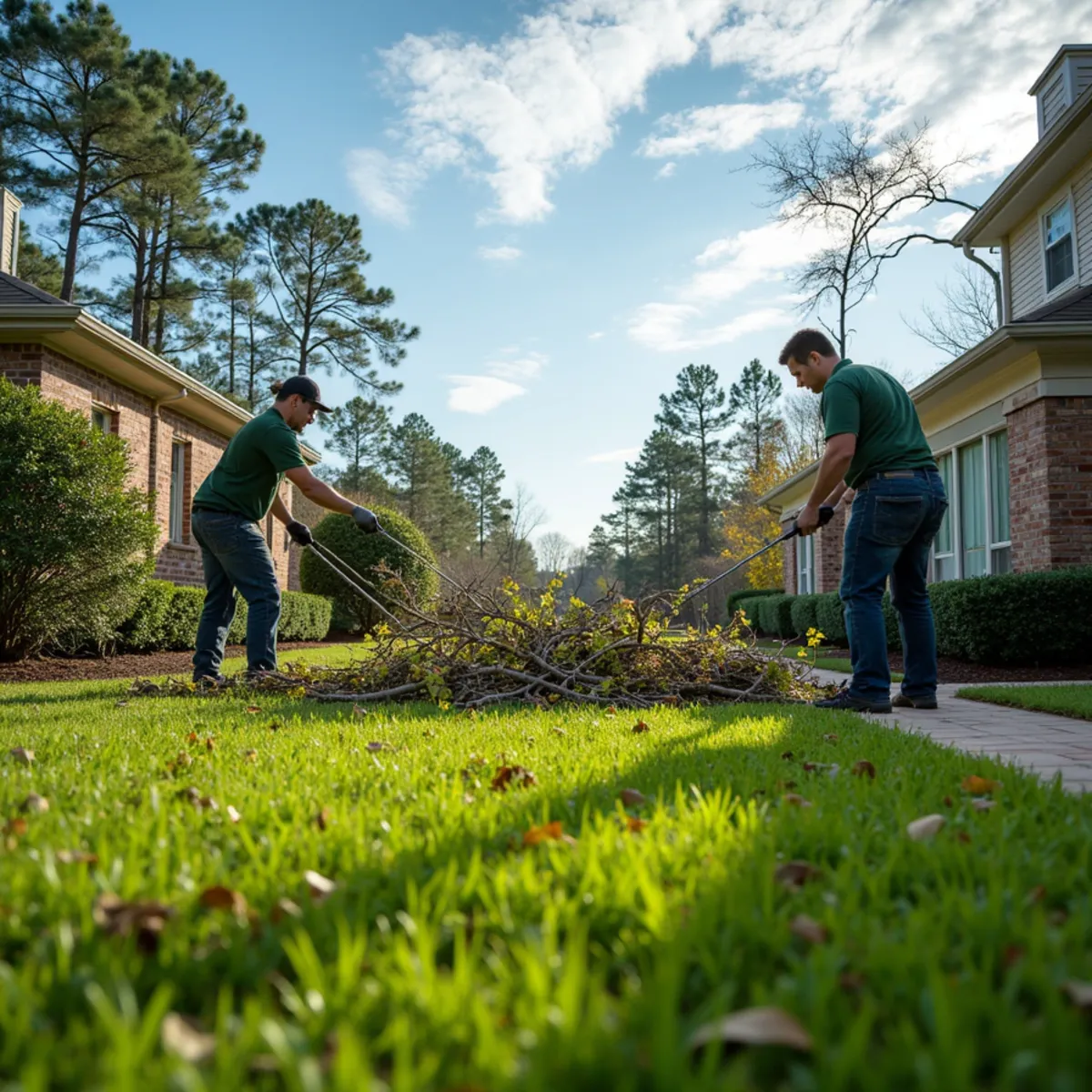
This is where most homeowners hit a wall. A single storm can drop several trees and bury a lawn under brush. Our storm debris cleanup crews bring the trucks, chippers, and manpower to clear it in a day or two instead of a month of weekends.
Sort as You Go
Many NC towns run special post-storm debris pickup with strict sorting rules: vegetative debris separate from construction debris, kept out of the ditch and off storm drains. We sort to those rules so your piles actually get collected.
Step 5: Rescue the Lawn
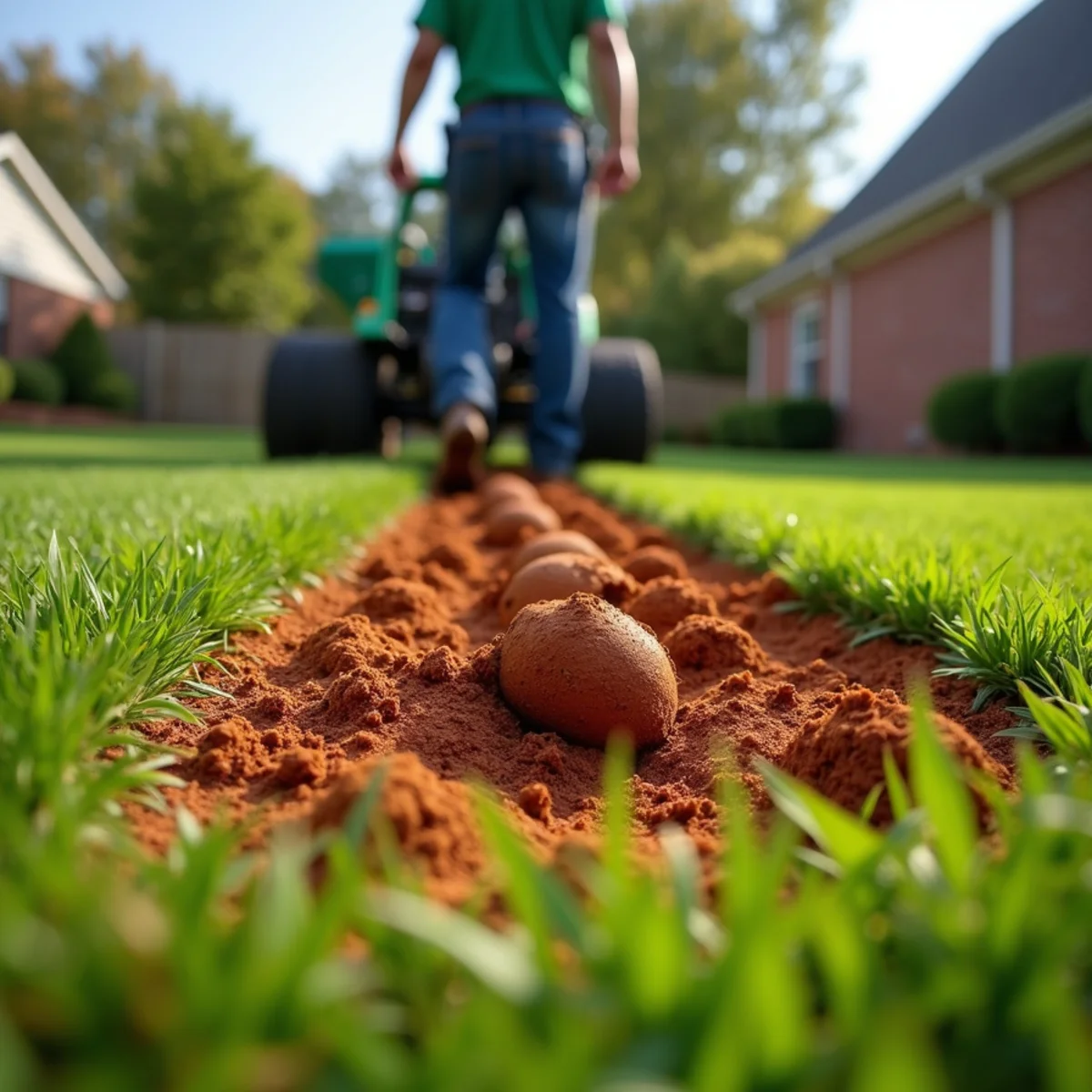
Grass buried under debris and floodwater starts declining fast. Standing water suffocates roots, and silt left by flooding smothers the crown. Once debris is off, we rake out the litter, flush or remove silt, and reseed the beaten-down areas so the turf recovers before winter.
Step 6: Check Drainage and Gutters
Hurricanes clog everything. Clear gutters, downspouts, and any yard drains so the next round of rain, and there is always a next round, flows where it should instead of pooling against your foundation.
Neighbors Across Eastern NC
We show up for communities that take the brunt of these storms. Whether you are cleaning up in Goldsboro, Wilson, or Princeton, our crews work through the backlog methodically so you are not staring at the wreckage for weeks.
Watch Out for Storm-Chaser Scams
After every major hurricane, out-of-town operators flood the area promising fast, cheap cleanup. Some are fine, but many are not. Protect yourself before you hand anyone a deposit or sign a contract in your driveway.
- Be wary of anyone demanding a large cash deposit up front or pressuring you to decide on the spot.
- Confirm the company carries liability and workers' compensation insurance before anyone climbs on a roof or runs a chainsaw on your property.
- Get the scope and price in writing, including whether hauling and stump work are included.
- Never sign your insurance claim over to a contractor you just met at the door.
- Favor established local companies who will still be here next season if an issue comes up.
A Word on Generator and Chainsaw Safety
In the days after a storm, more people are hurt during cleanup than during the storm itself. Never run a generator indoors or in a garage, keep it well away from windows, and treat every chainsaw cut on storm-loaded wood as if the log could move, because it can.
Before the Next Storm: Shrink the Damage in Advance
The best hurricane cleanup is the one you make smaller before the storm ever arrives. Eastern NC usually gets enough advance warning to take a few high-value steps that cut down the wreckage and the danger afterward.
- Have hazardous and clearly declining trees near the house evaluated and removed on a calm day, when the work is cheaper and safer than the emergency version.
- Thin deadwood and lightly prune weak, overextended limbs so there is less to break free in high wind.
- Clear gutters, downspouts, and yard drains before the season so the storm's rain has somewhere to go instead of pooling against the foundation.
- Move or secure anything that becomes a projectile in wind: furniture, grills, planters, and loose debris.
- Photograph your property in good condition so you have a clear before record for any post-storm insurance claim.
When Floodwater and Salt Are Involved
Closer to the coast and in the low-lying river basins, the damage is not just wind but water, and floodwater brings its own problems for turf. Grass sitting under standing water for more than a few days begins to suffocate, and floods often leave behind a layer of silt that smothers the crown. Where storm surge or brackish water pushes inland, salt can burn the lawn and linger in the soil long after the water is gone.
Once the water recedes, the priority is getting it moving off the turf, flushing or removing the silt, and, in saltwater situations, watering heavily with fresh water to leach the salt down through the root zone. Turf that is cleared and treated quickly usually recovers, while turf left buried under silt and debris for weeks often does not, so speed matters as much as effort here.
You Do Not Have to Do This Alone
Hurricane cleanup is exhausting and, done wrong, dangerous. Will Do Lawn Care is a local, family-owned team that mobilizes fast after storms to clear debris, remove fallen trees, and bring lawns back. Save this checklist, and when you are ready for help, call (323) 606-0255 for a free assessment.
Related services & areas
Ready for a Yard You Can Be Proud Of?
Get a free, no-obligation quote today. Same-week response on most estimates — call now or request a quote online.
Frequently Asked Questions
Only after the full storm passes and authorities give the all-clear, since the back side brings more strong wind. Then start with a safety sweep and photos before you move any debris.
Many eastern NC towns run special storm debris collection, but they require material sorted by type and kept out of ditches and off storm drains. We sort debris to local rules so it qualifies for pickup.
Usually yes, if you act quickly. Once debris and silt are cleared, we reseed damaged areas so the turf re-establishes before cold weather sets in.