The Angier Lawn Care Calendar: Month-by-Month for Central NC
A beautiful lawn is really the sum of doing the right things at the right times. Fertilize too early, seed too late, or spray at the wrong moment, and you work hard for mediocre results. Get the timing right and the lawn practically takes care of itself.
This calendar is tuned for Angier and central North Carolina's transition-zone climate. Since most local lawns are either cool-season tall fescue or warm-season grasses like bermuda and centipede, we note both where they differ.
Late Winter: February to Early March
- Apply your crabgrass pre-emergent before soil temperatures reach the low 50s. This is one of the most timing-sensitive tasks of the year, and missing it means fighting crabgrass all summer.
- Sharpen the mower blade and service equipment before the season starts.
- Do a soil test if you have not in a few years, so the rest of the year is guided by data.
Spring: March to May
The lawn wakes up and growth accelerates.
- Fescue: apply a light spring feeding, but do not overdo nitrogen, which sets up summer disease. Spot-treat broadleaf weeds as they appear.
- Warm-season grasses: wait for full green-up before fertilizing, usually April to May. Feeding bermuda or centipede too early wastes product and can hurt the grass.
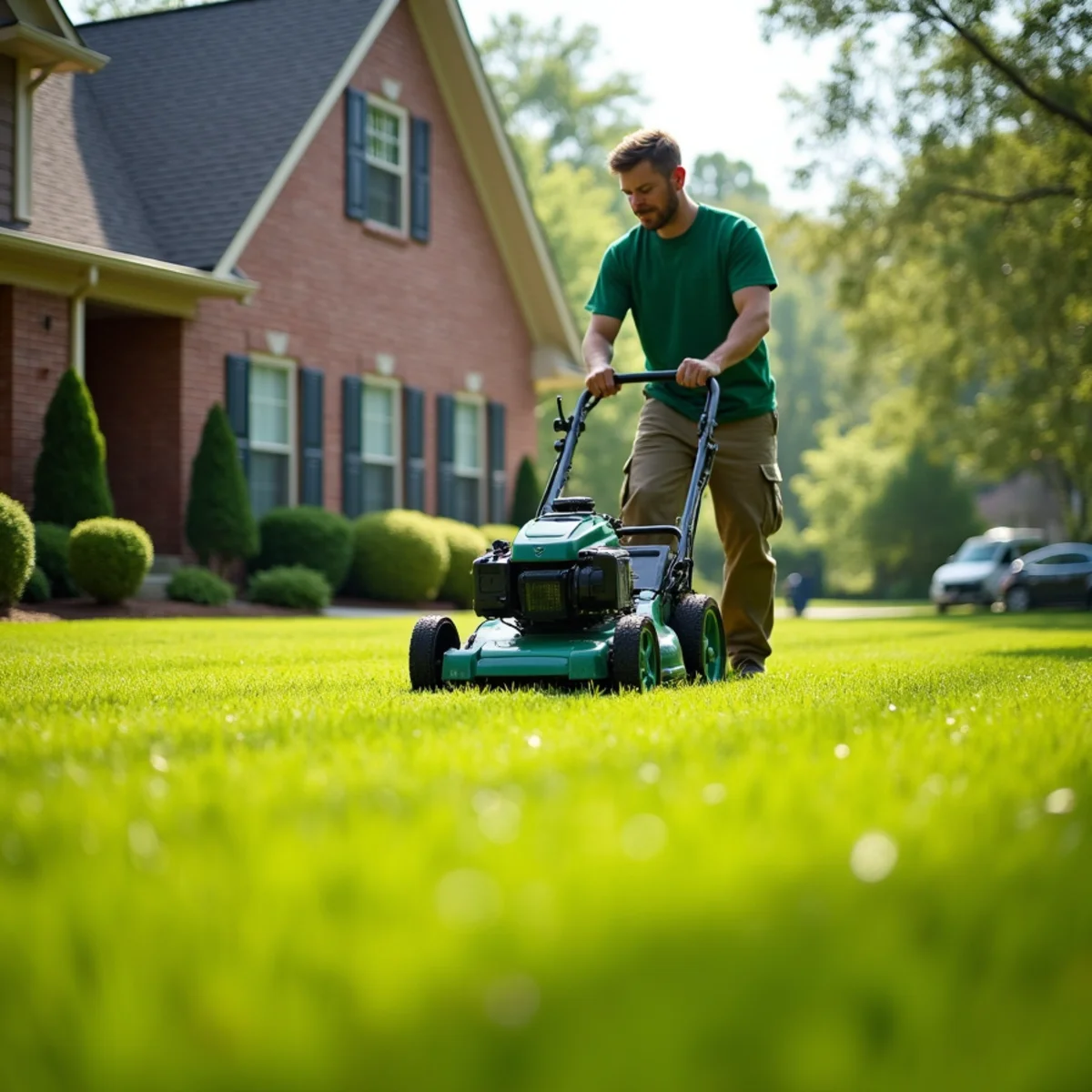
- Begin regular mowing, weekly during the flush of growth.
- Apply a second pre-emergent round if needed to bridge the season.
Early Summer: June
- Raise the mowing height on fescue to 3.5 to 4 inches to protect it from coming heat.
- Warm-season grasses hit their stride and can take their main feeding.
- Set irrigation to deep, infrequent, early-morning watering to prepare for the dry, hot weeks ahead.
Peak Summer: July to August
Survival mode for cool-season lawns.
- Fescue: do not fertilize now. Watch closely for brown patch during humid spells, and water only in the early morning. Mow high and keep blades sharp.
- Bermuda and zoysia: thriving, mow regularly and feed on schedule.
- Stay alert for grubs and treat if you see damage.
Fall: September to November, the Most Important Season
For central NC fescue lawns, fall is everything. This is when you build the lawn that carries you through next year.
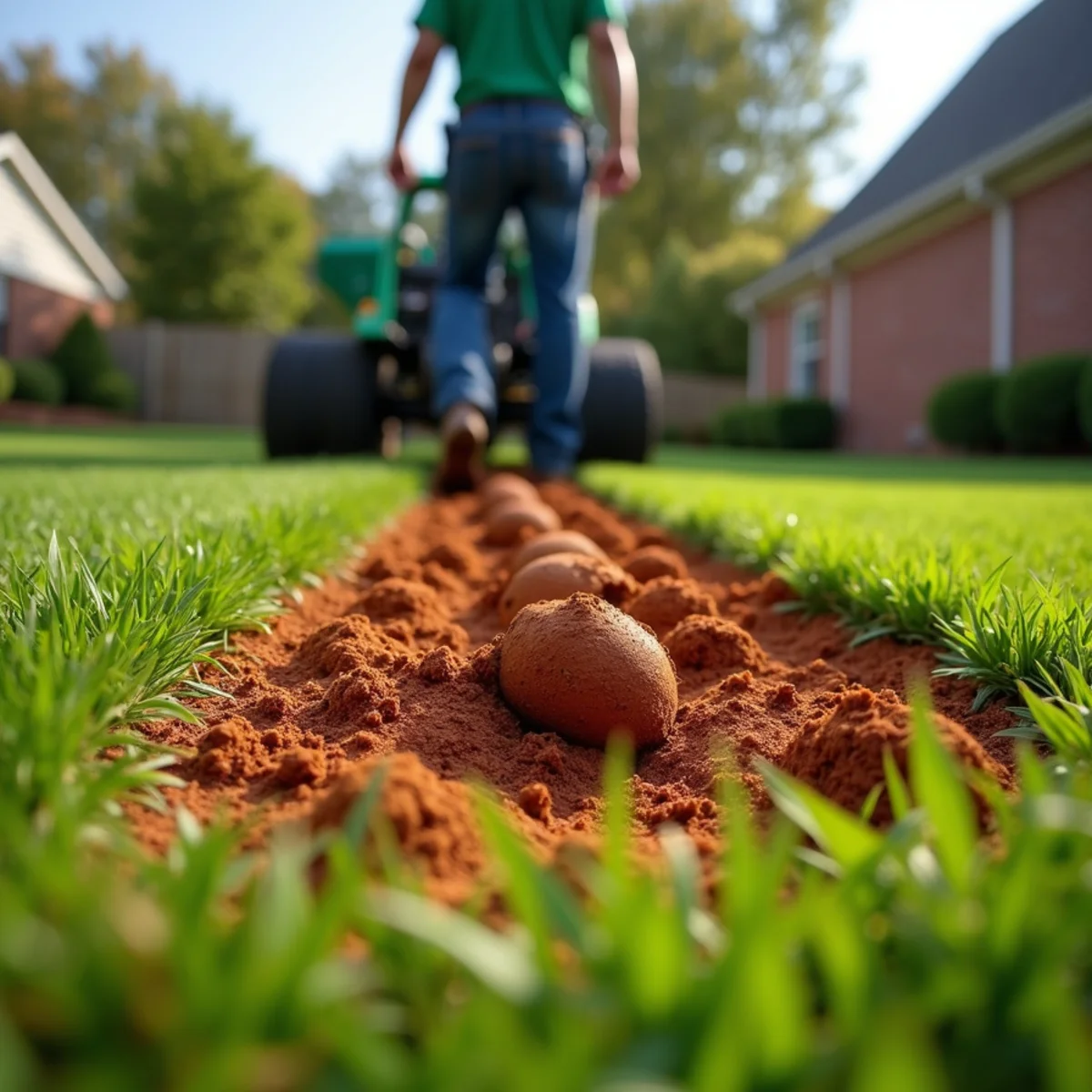
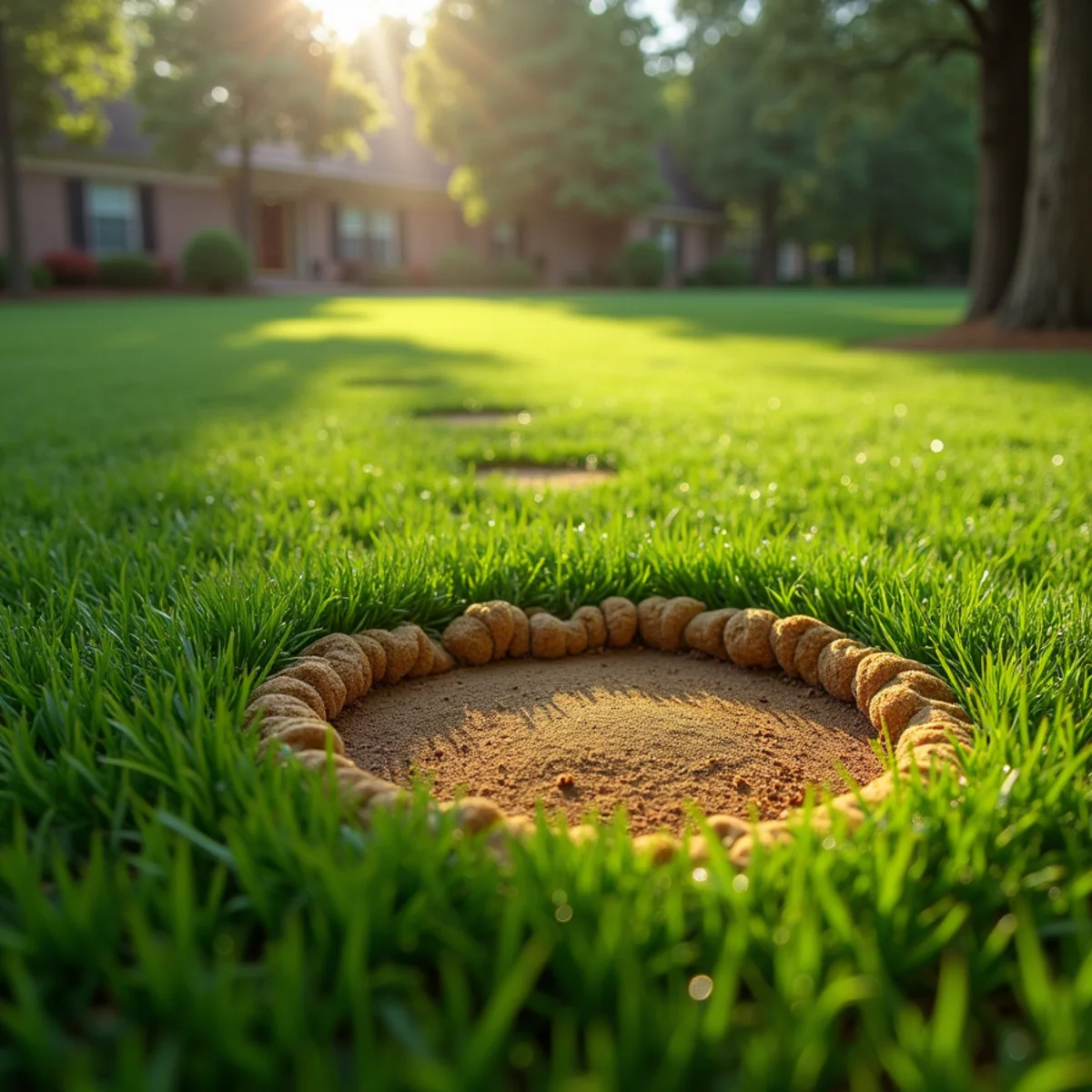
- Aerate and overseed fescue in September to early October, the single best thing you can do all year. Cool soil and air give seed months to establish.
- Fall fertilization for fescue is the most important feeding of the year, building roots for winter and next spring.
- Apply fall pre-emergent and treat winter broadleaf weeds like henbit and chickweed.
- Keep leaves cleared so they do not smother the turf.
- Warm-season grasses slow down and should not be fed late, which makes them vulnerable to cold.
Winter: December to January
- Warm-season lawns are dormant and brown, which is normal, not dead.
- Fescue stays green and grows slowly, needing only occasional mowing in mild spells.
- Keep debris and heavy objects off the lawn to avoid dead spots.
- Plan next year and schedule that February pre-emergent.
Let the Calendar Run Itself
Following this calendar consistently is the whole game, and it is also the part most homeowners struggle to keep up with year after year. Our lawn care services keep every task on schedule, and our fertilization and weed control program handles the timing-critical feedings and pre-emergents so you never miss the window.
Serving Angier and the Surrounding Towns
We keep lawns on schedule right here at home in Angier and throughout the surrounding communities, including Coats and the college town of Buies Creek.
The Two Habits That Matter Every Month
Beyond the seasonal tasks, two things run all year and quietly determine how well everything else works: how you mow and how you water. Get these wrong and the best-timed fertilizer and pre-emergent will underperform.
- Mow by the one-third rule with a sharp blade. Never remove more than a third of the blade at once, and keep the mower blade sharp so it cuts cleanly instead of shredding and inviting disease.
- Water deeply and in the morning. An inch or so per week in one or two deep soakings builds deep roots, and morning watering lets the grass dry before night, which starves the fungus that causes brown patch.
These are not seasonal chores you check off once. They are the steady background rhythm that makes the whole calendar effective. A lawn mowed and watered correctly all year, then treated at the right moments, is a lawn that looks good with far less rescue work than a neglected one that gets a burst of attention now and then.
The Warm-Season and Cool-Season Split
Everything on this calendar hinges on one question: is your lawn a cool-season grass or a warm-season one? The two families run on opposite schedules, and following the wrong one is how well-meaning homeowners feed at exactly the wrong time.
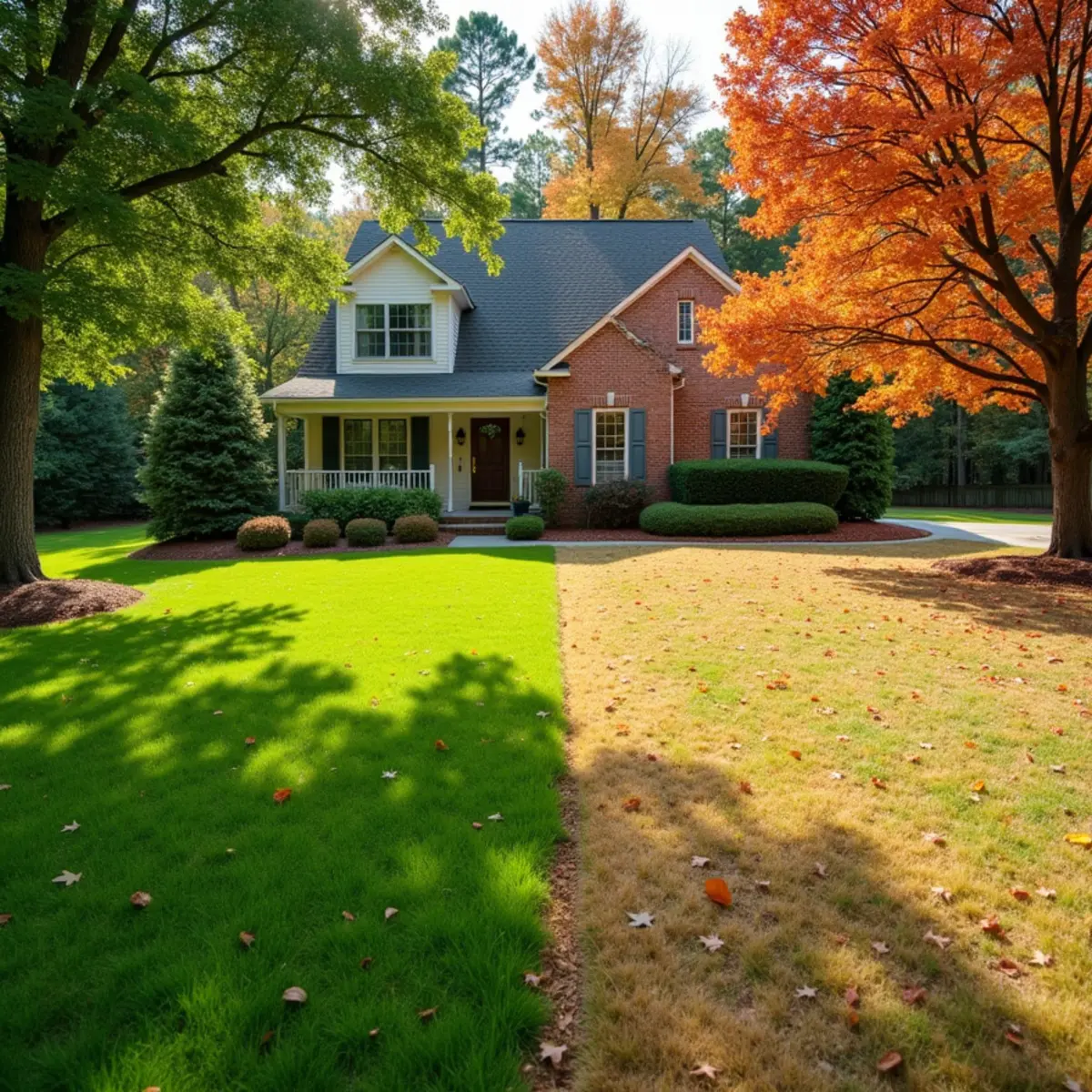
- Cool-season tall fescue does its real growing in the cool shoulders of the year. Its biggest push comes in fall, which is when it should be aerated, overseeded, and given its most important feeding. It is only surviving the summer, not thriving in it, so it gets no summer nitrogen.
- Warm-season bermuda, zoysia, and centipede do the opposite. They are brown and dormant in winter, wake up in late spring, and do their growing and feeding through the summer heat. Feeding them early, before full green-up, wastes product and can hurt them.
Get that one distinction right and the rest of the calendar falls into place. Feed fescue heavily in fall and lightly in spring; feed warm-season grasses in early summer and never late in the fall. Mix the two schedules up and you push tender growth at the worst possible moment for whichever grass you actually have.
Let a Soil Test Steer the Year
Before committing to a season of feeding and liming, spend the small cost of a soil test through the county extension office. It tells you your actual pH and nutrient levels instead of guessing, which matters enormously here, where fescue and centipede want very different pH and where unnecessary lime is a leading cause of centipede trouble. One inexpensive test guides a full year of smarter, cheaper decisions and keeps you from spreading products the lawn never needed.
Take the Guesswork Out of Timing
The right task at the right time is what separates a good lawn from a great one. Will Do Lawn Care runs the whole calendar for you, on time, every season. Call (323) 606-0255 to get on a year-round program.
Related services & areas
Ready for a Yard You Can Be Proud Of?
Get a free, no-obligation quote today. Same-week response on most estimates — call now or request a quote online.
Frequently Asked Questions
For fescue lawns, September and early October. Fall aeration, overseeding, and fertilization build the roots and density that carry the lawn through the next year. It is the single most valuable window of the season.
Late February to early March, before soil temperatures reach the low 50s and crabgrass germinates. A second round later in spring can extend protection. This is one of the most timing-sensitive tasks all year.
Wait for full green-up, usually April to May, before feeding bermuda or centipede. Fertilizing too early wastes product, can encourage weeds, and may harm grass that is not yet actively growing.